Why Creative Hobbies Are Becoming Essential for Mental Wellbeing
Activities such as drawing, writing, music, and crafting are no longer seen as optional pastimes, but as essential tools for maintaining mental wellbeing.


Oct 8, 2025
Modern life is increasingly defined by speed, screens, and constant stimulation. While technology has made many tasks easier, it has also blurred the boundaries between work and rest. As stress, anxiety, and burnout become more common, people are turning toward creative hobbies as a way to restore balance. Activities such as drawing, writing, music, and crafting are no longer seen as optional pastimes, but as essential tools for maintaining mental wellbeing.
Creativity as a Natural Stress Reliever
Creative hobbies offer a unique form of stress relief by allowing the mind to shift away from pressure and productivity. When people engage in creative activities, their focus moves to the present moment. This mental shift reduces stress hormones and promotes a sense of calm. Unlike passive relaxation, creativity actively engages the brain in a way that feels restorative rather than draining.
Emotional Expression Without Pressure
One of the most powerful aspects of creative hobbies is their ability to provide emotional release without the need for explanation. Art, music, and writing allow individuals to express feelings that may be difficult to articulate verbally. There is no requirement for perfection or performance. The process itself becomes a safe space for processing emotions, making creativity an accessible form of emotional care.
Building Resilience Through Creative Practice
Regular creative engagement helps build emotional resilience over time. Creative hobbies encourage experimentation, problem-solving, and patience, all of which translate into greater adaptability in daily life. Making something from scratch, even imperfectly, reinforces a sense of agency and accomplishment. These small wins can significantly boost self-esteem and emotional stability.
A Break From Digital Overload
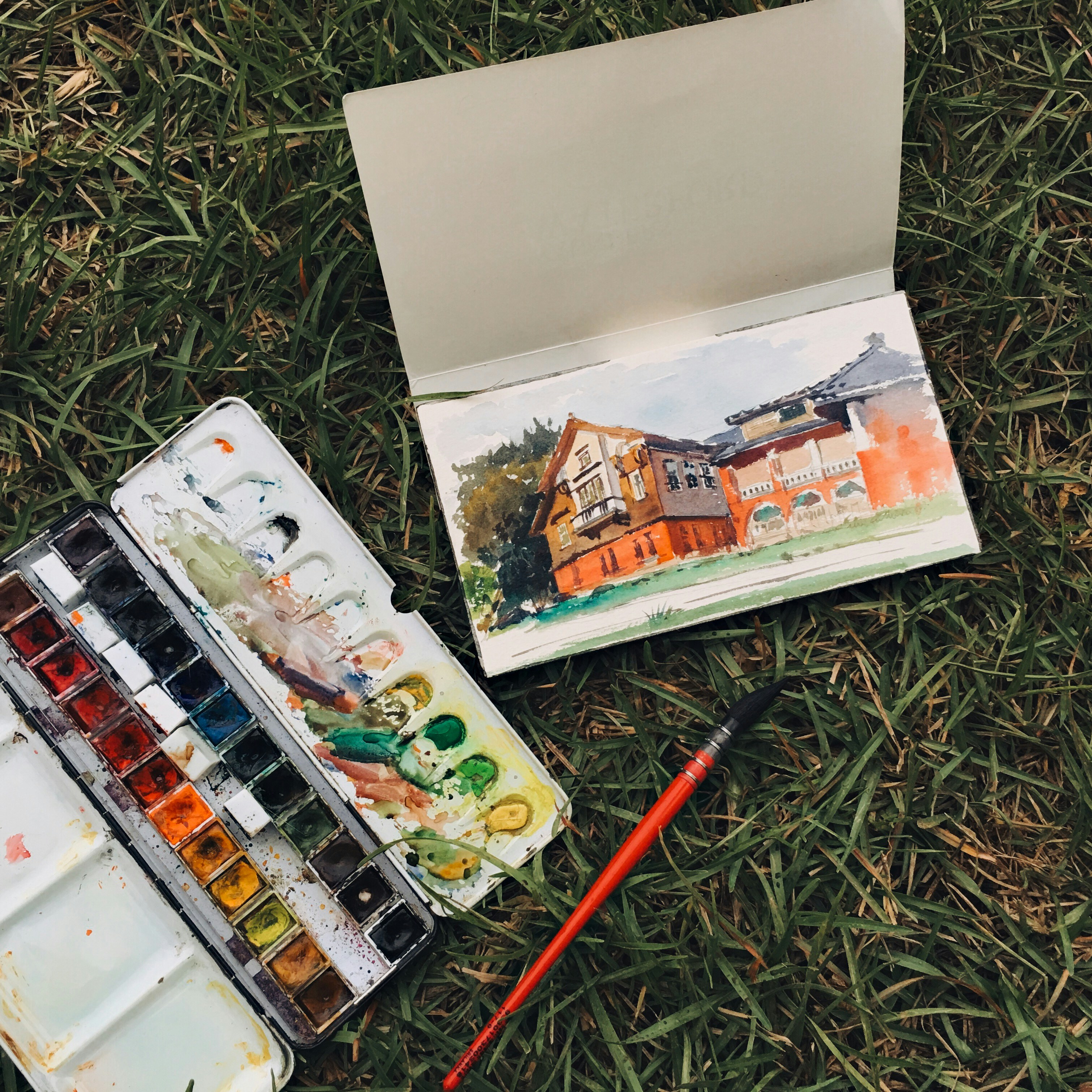
As digital devices dominate work and social interaction, creative hobbies offer a meaningful way to disconnect. Activities such as painting, journaling, or playing an instrument provide a break from constant notifications and online comparison. This separation allows the brain to rest and reset, supporting better focus and mental clarity when returning to digital tasks.
Strengthening Identity Beyond Productivity
Many people define themselves by their work or achievements, which can be damaging when performance becomes the sole measure of worth. Creative hobbies help individuals reconnect with parts of themselves unrelated to productivity. They encourage curiosity, play, and self-discovery, strengthening personal identity and self-compassion.
Community and Connection Through Creativity
Creative hobbies often lead to shared experiences and community building. Workshops, classes, and informal creative groups create opportunities for social connection rooted in shared interest rather than obligation. These environments foster belonging and reduce feelings of isolation, which are key factors in maintaining mental wellbeing.
Long-Term Benefits for Mental Health
Unlike quick stress-relief techniques, creative hobbies offer long-term mental health benefits. When practiced consistently, they support emotional regulation, improve mood, and create sustainable coping mechanisms. Over time, creativity becomes a reliable source of comfort and stability, integrated naturally into daily life.
Creative hobbies are no longer just leisure activities; they are becoming essential components of mental wellbeing. By providing stress relief, emotional expression, and meaningful connection, creativity supports mental health in ways that few other practices can. In a world that constantly demands output, creative hobbies offer something equally valuable—the space to simply be.






Newsletter
Subscribe now to stay updated with top news!
Subscribe to our newsletter and be the first to access exclusive content and expert insights.
Spotlight




- Sponsored Ad -

Smarter tools for modern teams—powering faster workflows and better decisions every day.