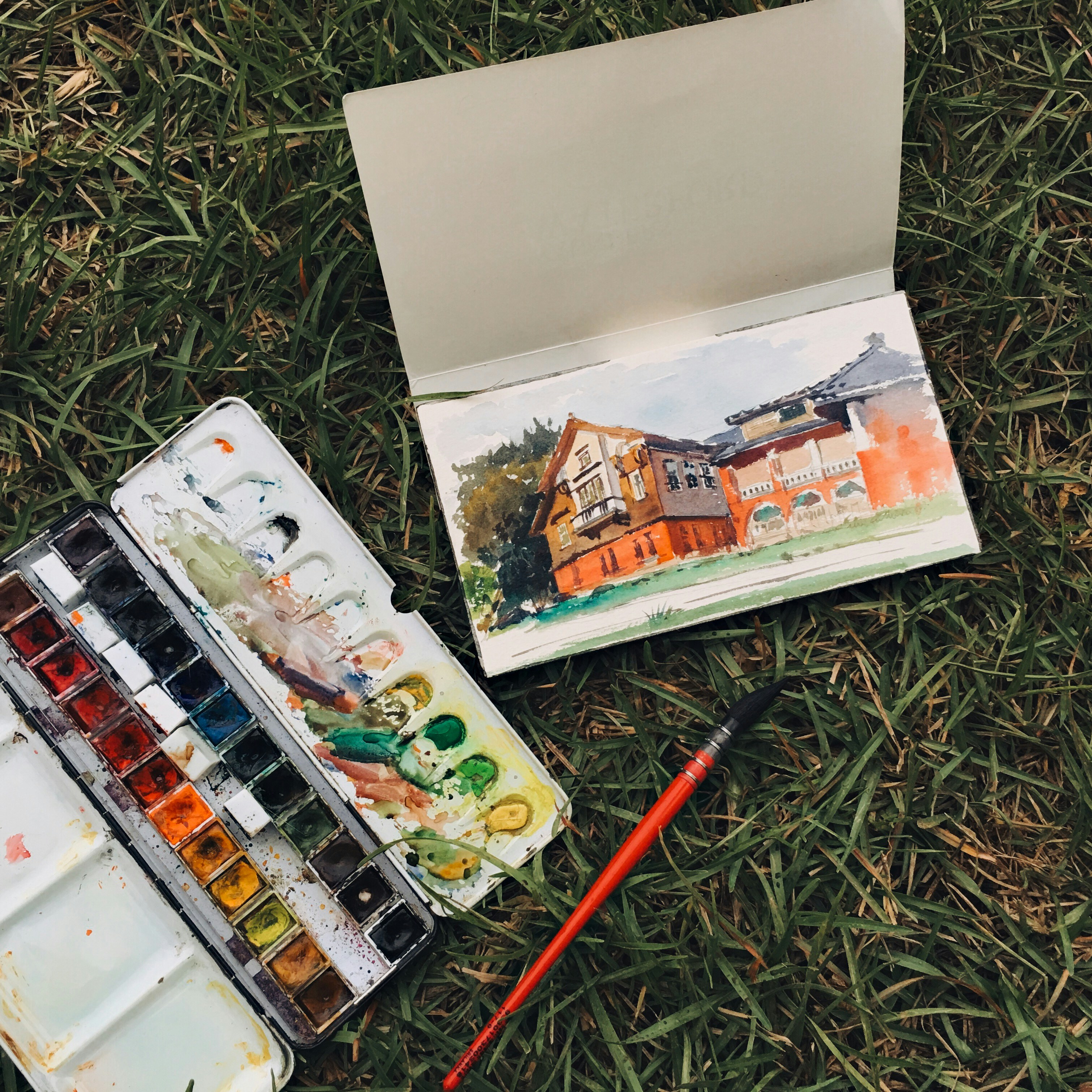
How DIY Projects Are Inspiring Creativity and Practical Problem Solving
From home improvement and crafting to electronics and upcycling, DIY culture is reshaping how people approach creativity, learning, and everyday problem solving.


Jan 4, 2026
In an era dominated by ready-made solutions and instant convenience, do-it-yourself projects are making a quiet but powerful comeback. From home improvement and crafting to electronics and upcycling, DIY culture is reshaping how people approach creativity, learning, and everyday problem solving.
Rediscovering the Joy of Making
DIY projects tap into a fundamental human desire to create. Whether building furniture, sewing clothing, or assembling smart home devices, the act of making something from scratch brings a sense of ownership and pride that store-bought items rarely provide. This hands-on process encourages experimentation, patience, and curiosity—key ingredients for creative thinking.
For many, DIY is also a form of expression. Personal projects allow individuals to customize their surroundings and belongings in ways that reflect their identity, values, and lifestyle.
Turning Challenges into Learning Opportunities
One of the most valuable aspects of DIY culture is its approach to problem solving. Projects rarely go exactly as planned, and mistakes are part of the process. Each setback becomes an opportunity to analyze, adapt, and improve. This trial-and-error mindset strengthens critical thinking and builds confidence in tackling unfamiliar challenges.
By breaking larger tasks into manageable steps, DIY enthusiasts develop practical skills that translate beyond the project itself—into work, education, and daily life.
Practical Skills for a Changing World
DIY projects often teach useful, real-world skills that traditional education may overlook. Basic carpentry, electrical work, repair, and design thinking empower people to fix rather than replace, reducing waste and saving money. In a time of rising costs and environmental awareness, these abilities are more relevant than ever.
The growth of online tutorials and maker communities has also made DIY knowledge widely accessible, lowering barriers for beginners and encouraging lifelong learning.
Creativity Meets Sustainability
Many DIY projects are rooted in sustainability. Upcycling furniture, repurposing materials, and repairing broken items challenge throwaway culture and promote more thoughtful consumption. Creativity becomes a tool not just for aesthetics, but for responsible problem solving.
This sustainable mindset encourages people to see potential where others see waste, transforming everyday objects into functional or artistic solutions.
Building Confidence Through Hands-On Experience
Completing a DIY project reinforces self-reliance. Each finished task proves that complex problems can be solved with persistence and creativity. Over time, this builds a mindset of capability—one where challenges are met with curiosity rather than hesitation.
For younger generations especially, DIY offers a counterbalance to digital-only experiences, reconnecting learning with physical engagement and tangible results.
A Culture of Creativity and Capability
DIY projects are more than hobbies—they are tools for empowerment. By blending creativity with practical problem solving, DIY culture encourages people to think independently, learn continuously, and engage more deeply with the world around them.
As interest in making, repairing, and building continues to grow, DIY stands as a reminder that some of the most valuable skills come not from shortcuts, but from doing the work with your own hands.







Newsletter
Subscribe now to stay updated with top news!
Subscribe to our newsletter and be the first to access exclusive content and expert insights.
Spotlight




- Sponsored Ad -

Smarter tools for modern teams—powering faster workflows and better decisions every day.