The Rise of Analog Activities in an Increasingly Digital World
For decades, progress has been measured in speed, automation, and connectivity. Screens became smaller, faster, and more powerful. Life moved online.

Feb 10, 2026
For decades, progress has been measured in speed, automation, and connectivity. Screens became smaller, faster, and more powerful. Life moved online. And yet, in the middle of this digital saturation, something unexpected is happening.
People are turning back to analog.
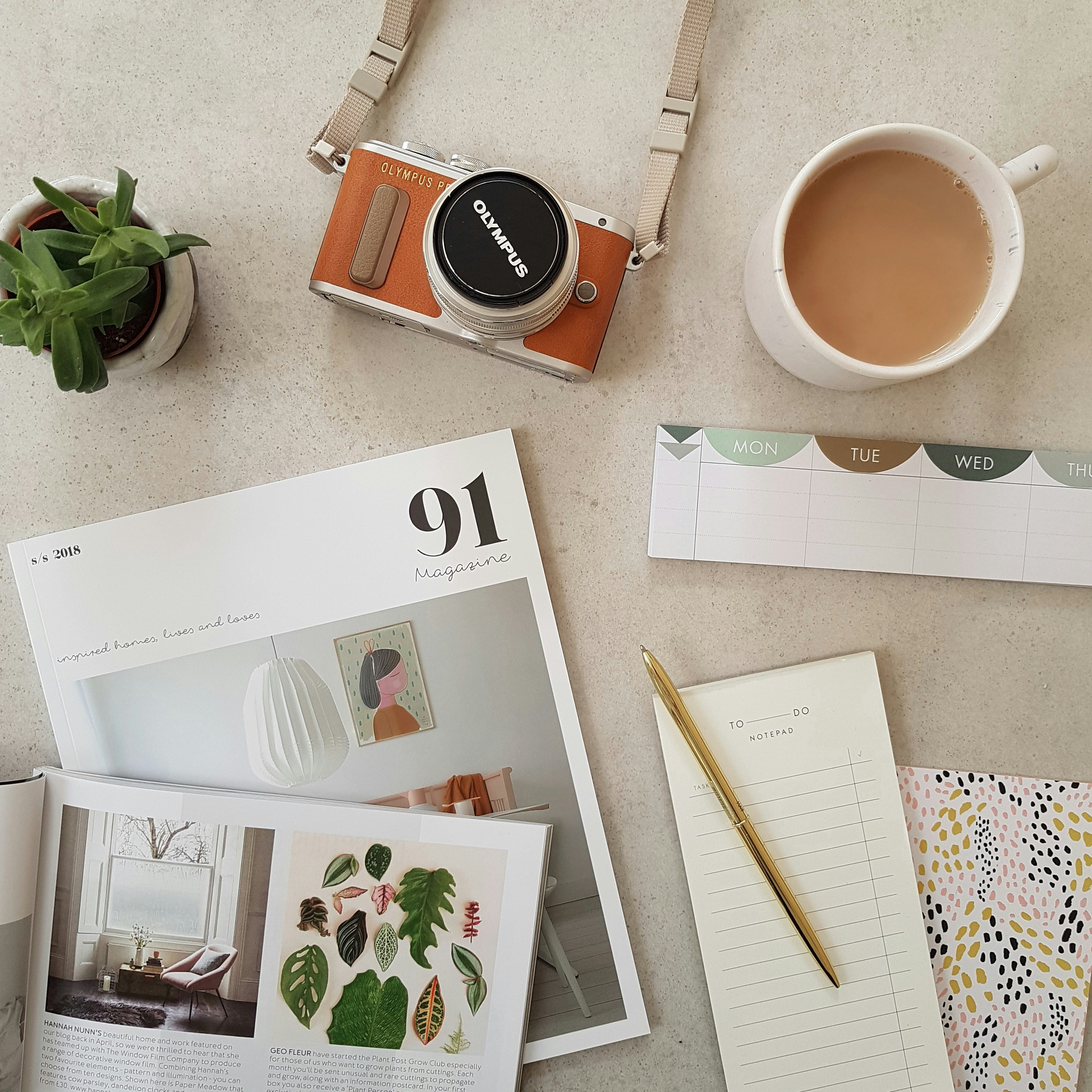
From vinyl records and printed books to film photography, handwritten notes, and offline hobbies, analog activities are experiencing a quiet resurgence. This return isn’t driven by nostalgia alone—it’s a response to how modern life feels.
Digital Fatigue Is Real
The promise of constant connection has come with hidden costs. Endless notifications, algorithmic feeds, and digital multitasking leave many feeling overstimulated and unfocused.
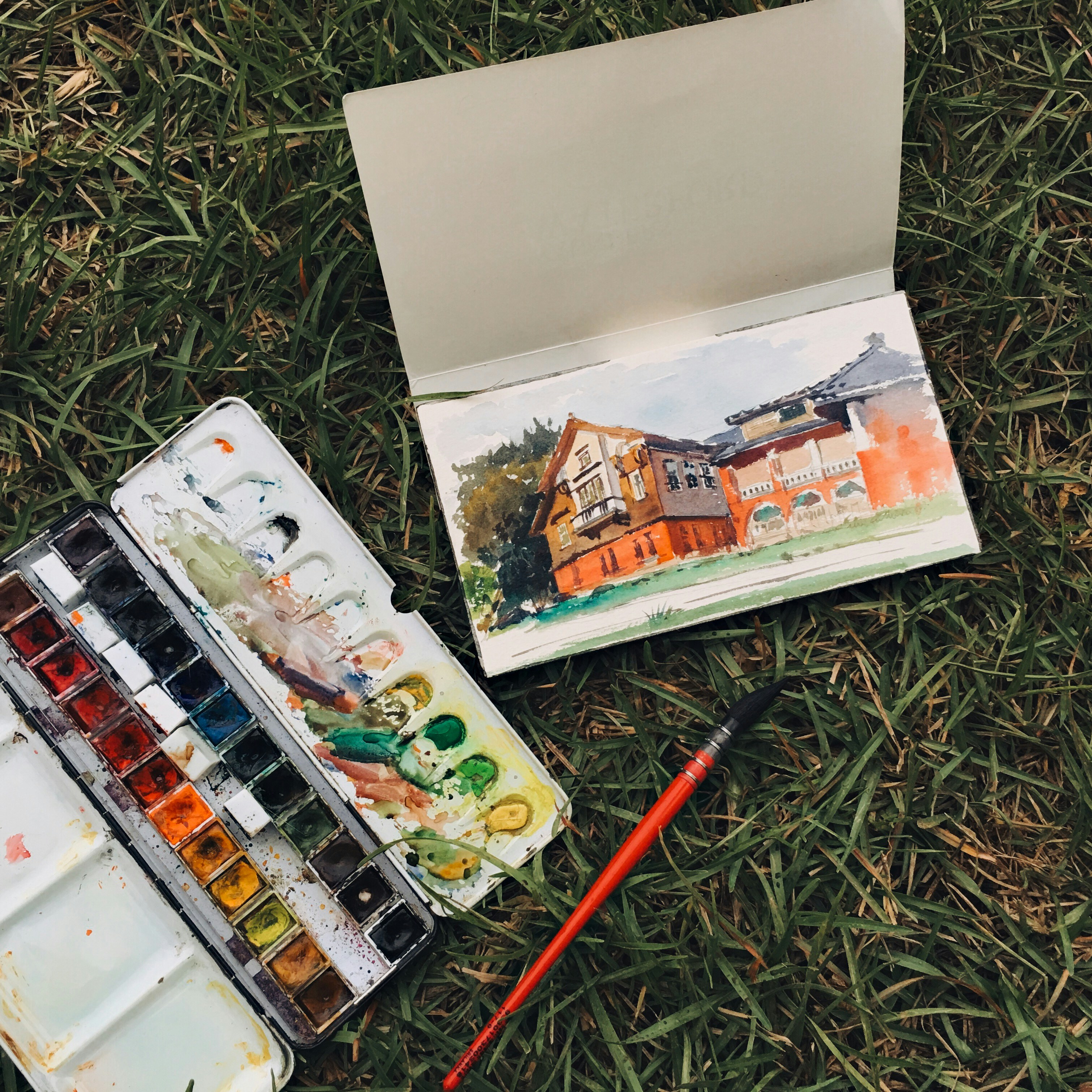
Analog activities offer relief by design. They demand presence. A vinyl record can’t be skipped endlessly. A printed page doesn’t scroll. A sketchbook doesn’t notify you of anything else demanding attention.
In a world of constant input, analog creates intentional limits.
Slowing Down as a Form of Control
Choosing analog is often an act of agency.
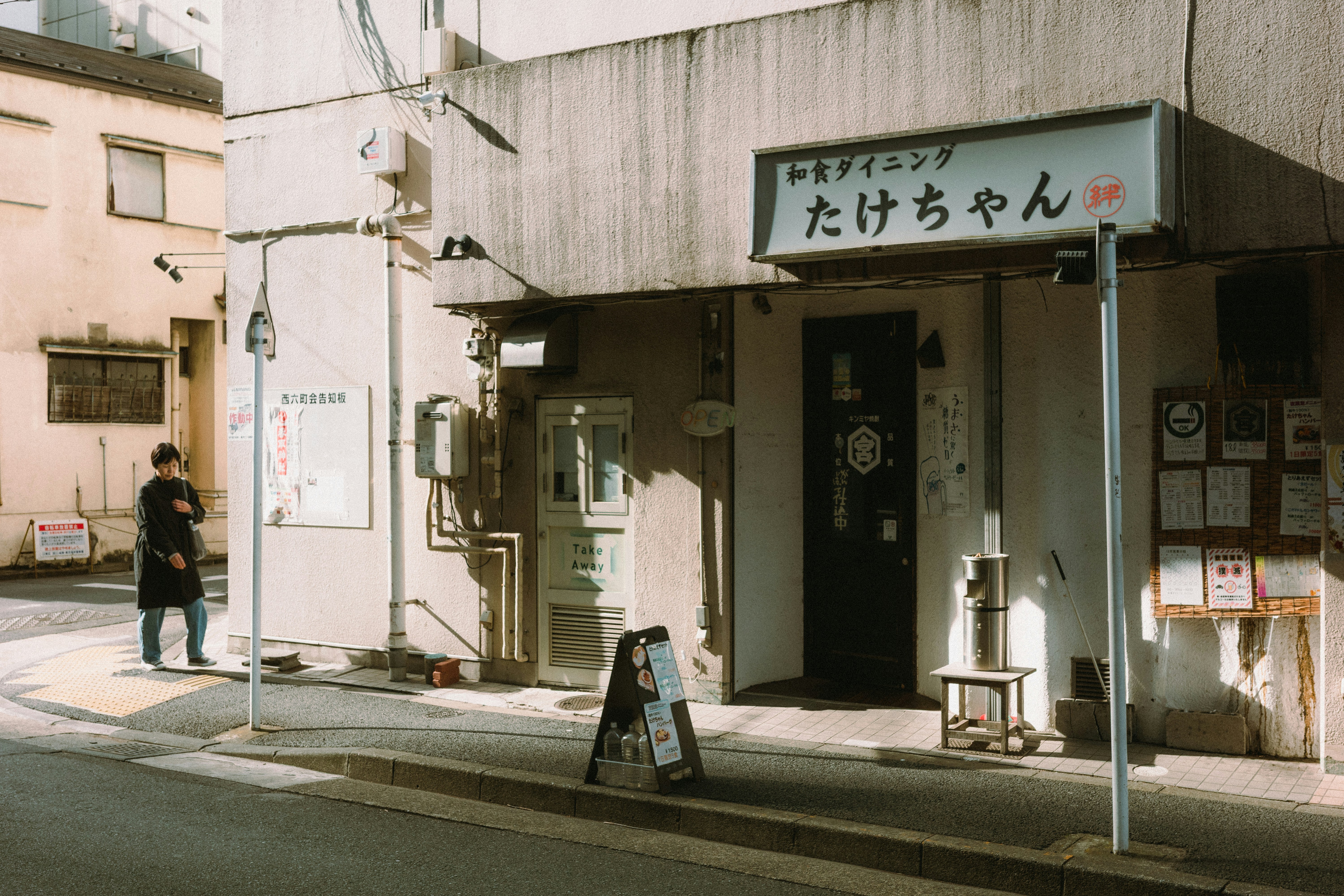
Writing by hand, cooking without shortcuts, or building something physical restores a sense of control over time and attention. These activities resist optimization. They unfold at a human pace.
In slowing down, people reclaim moments that technology tends to compress or erase.
Tangibility in an Intangible World
Digital experiences are efficient—but fleeting. Files disappear into clouds. Photos exist as data. Messages are easily forgotten.
Analog objects, by contrast, carry weight and presence. A notebook fills up. A book shows wear. A photograph ages. These physical traces create emotional attachment and memory in ways digital formats rarely replicate.
Touch matters.
Creativity Without Metrics
Online creativity often comes with performance pressure—likes, views, algorithms, and comparison.
Analog creativity removes the audience. A painting doesn’t track engagement. A journal isn’t optimized for sharing. This freedom encourages experimentation, imperfection, and play.
For many, analog becomes a space where creativity feels safe again.
Not Anti-Technology, but Intentional Balance
The rise of analog doesn’t signal rejection of technology. It reflects a desire for balance.
People still rely on digital tools for work, communication, and information. But they’re carving out offline spaces where attention isn’t monetized and time isn’t measured in productivity.
Analog activities coexist with digital life—they don’t replace it.
Community Through Shared Rituals
Analog experiences often create organic community.
Book clubs, record shops, craft circles, film photography walks, and board game nights bring people together without screens as intermediaries. These shared rituals foster presence, conversation, and connection that feels unfiltered.
In a fragmented digital landscape, analog creates gathering points.
A Quiet Shift in Values
The return to analog reflects a deeper cultural shift. Efficiency is no longer the only goal. Meaning, focus, and well-being are gaining importance.
People are redefining progress—not as doing more, but as experiencing more fully.
Finding Value in What Can’t Be Accelerated
The future may be digital, but it won’t be exclusively so.
Analog activities remind us that some experiences lose value when sped up, optimized, or automated. They invite patience, attention, and care—qualities that feel increasingly rare.
In choosing analog moments, people aren’t going backward. They’re choosing to live more deliberately in a world that rarely slows down on its own.



Newsletter
Subscribe now to stay updated with top news!
Subscribe to our newsletter and be the first to access exclusive content and expert insights.
Spotlight




- Sponsored Ad -

Smarter tools for modern teams—powering faster workflows and better decisions every day.