How Learning New Skills Is Changing the Way People Spend Free Time
Instead of simply watching content, they’re learning to cook new cuisines, play instruments, code, design, or speak new languages.

Jan 21, 2026
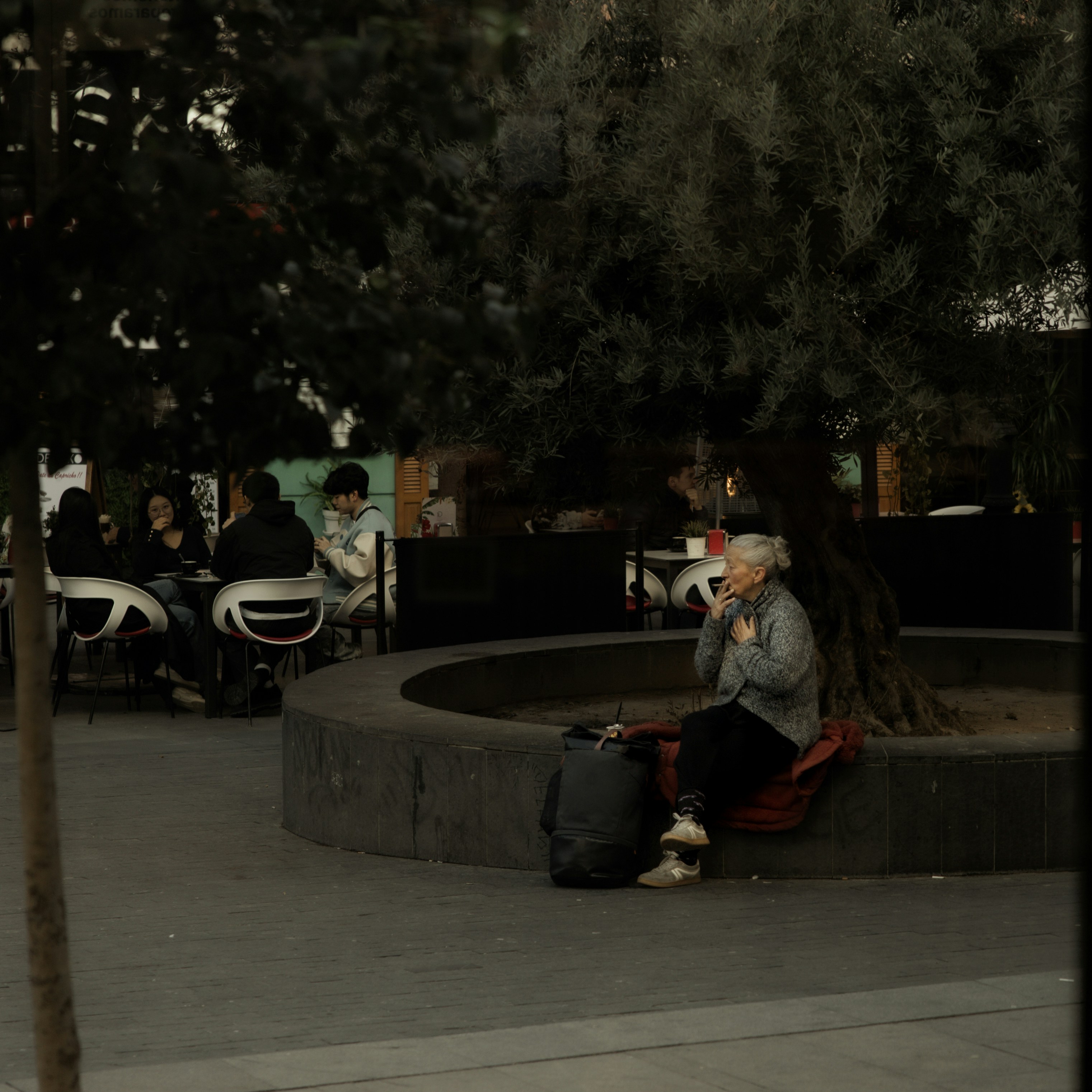
Free time used to mean rest, entertainment, or escape from daily responsibilities. Today, it increasingly means growth. Across age groups and cultures, people are choosing to spend their free time learning new skills—reshaping how leisure is defined and how personal development fits into everyday life.
From Passive Consumption to Active Engagement
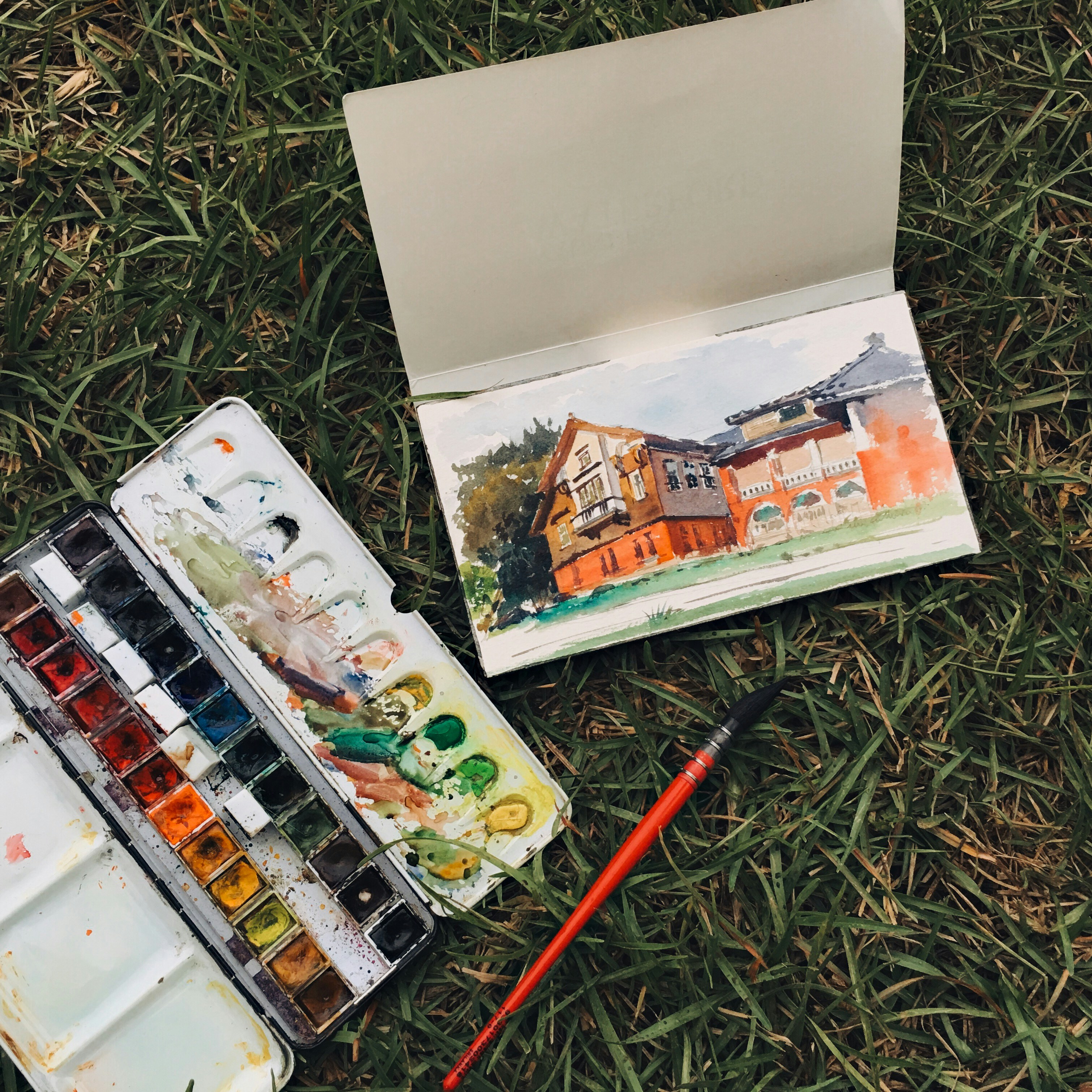
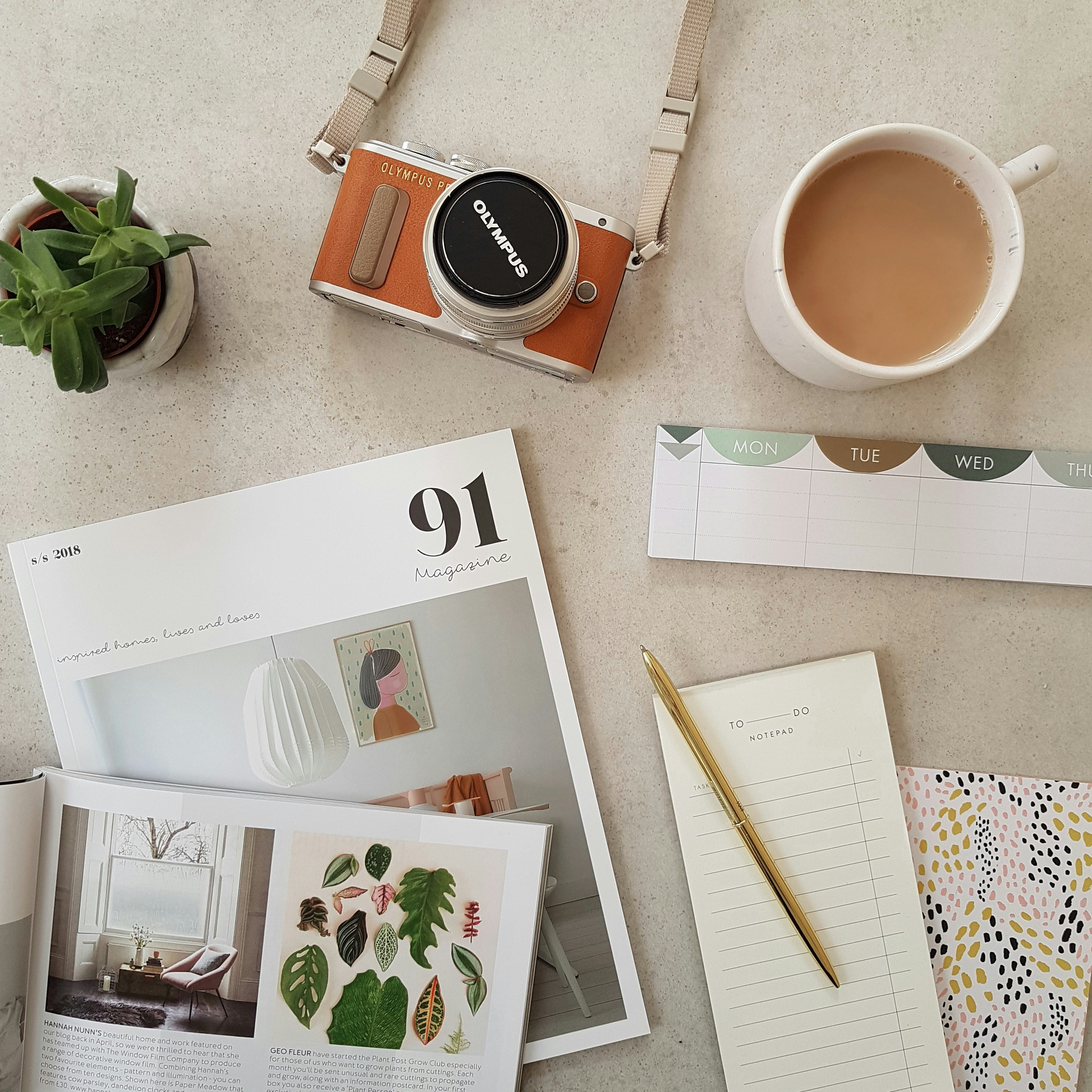
Entertainment remains popular, but many people are shifting from passive consumption to active participation. Instead of simply watching content, they’re learning to cook new cuisines, play instruments, code, design, or speak new languages.
This shift reflects a desire for deeper satisfaction—one that comes from creating, improving, and mastering something tangible.
Digital Platforms Make Learning Accessible
Online courses, tutorials, and learning communities have removed traditional barriers to education. Skills that once required formal schooling or expensive programs are now accessible on demand.
People can learn at their own pace, fitting short sessions into busy schedules. This flexibility has transformed learning into a natural part of daily life rather than a separate commitment.
Hobbies With Purpose
Modern hobbies often blend enjoyment with utility. Learning photography, writing, or design can be both personally fulfilling and professionally valuable.
This overlap has blurred the line between leisure and work, allowing people to explore interests without the pressure of turning them into careers—while still gaining transferable skills.
Learning as a Form of Self-Care
For many, learning has become a form of mental wellness. Engaging the brain in new challenges reduces stress, boosts confidence, and creates a sense of progress.
Skill-building offers structure and focus, helping people disconnect from digital overload while staying mentally active.
Community Through Shared Learning
Learning rarely happens in isolation. Online forums, local workshops, and social groups create communities around shared interests.
These spaces foster connection, collaboration, and accountability—turning individual learning into a social experience that strengthens relationships.
Lifelong Learning Across Generations
Skill learning is no longer limited to youth. Adults and older learners are embracing lifelong education, challenging the idea that growth slows with age.
This cultural shift emphasizes adaptability and curiosity as lifelong values, especially in a rapidly changing world.
Redefining the Value of Free Time
Free time is increasingly viewed as an opportunity rather than an escape. People are choosing experiences that leave them feeling energized rather than drained.
Learning new skills offers a sense of purpose—transforming spare hours into meaningful investments in oneself.
A New Leisure Mindset
As learning becomes integrated into daily life, it reshapes how people define fulfillment. Free time is no longer just about relaxation—it’s about exploration, creativity, and growth.
In choosing to learn, people are redefining leisure as an active, enriching part of modern living.





Newsletter
Subscribe now to stay updated with top news!
Subscribe to our newsletter and be the first to access exclusive content and expert insights.
Spotlight


- Sponsored Ad -

Smarter tools for modern teams—powering faster workflows and better decisions every day.