Travel Trends That Are Shaping the Future of Global Exploration
Travel has always been about movement, but its meaning is evolving. What once centered on destinations and itineraries is now shaped by values, technology, and a growing desire for deeper connection.


Feb 14, 2026
Travel has always been about movement, but its meaning is evolving. What once centered on destinations and itineraries is now shaped by values, technology, and a growing desire for deeper connection. As the world reopens and redefines how people explore it, travel is becoming more intentional, personal, and reflective.
The future of global exploration isn’t about going farther—it’s about traveling better.
Slower Travel Is Gaining Momentum
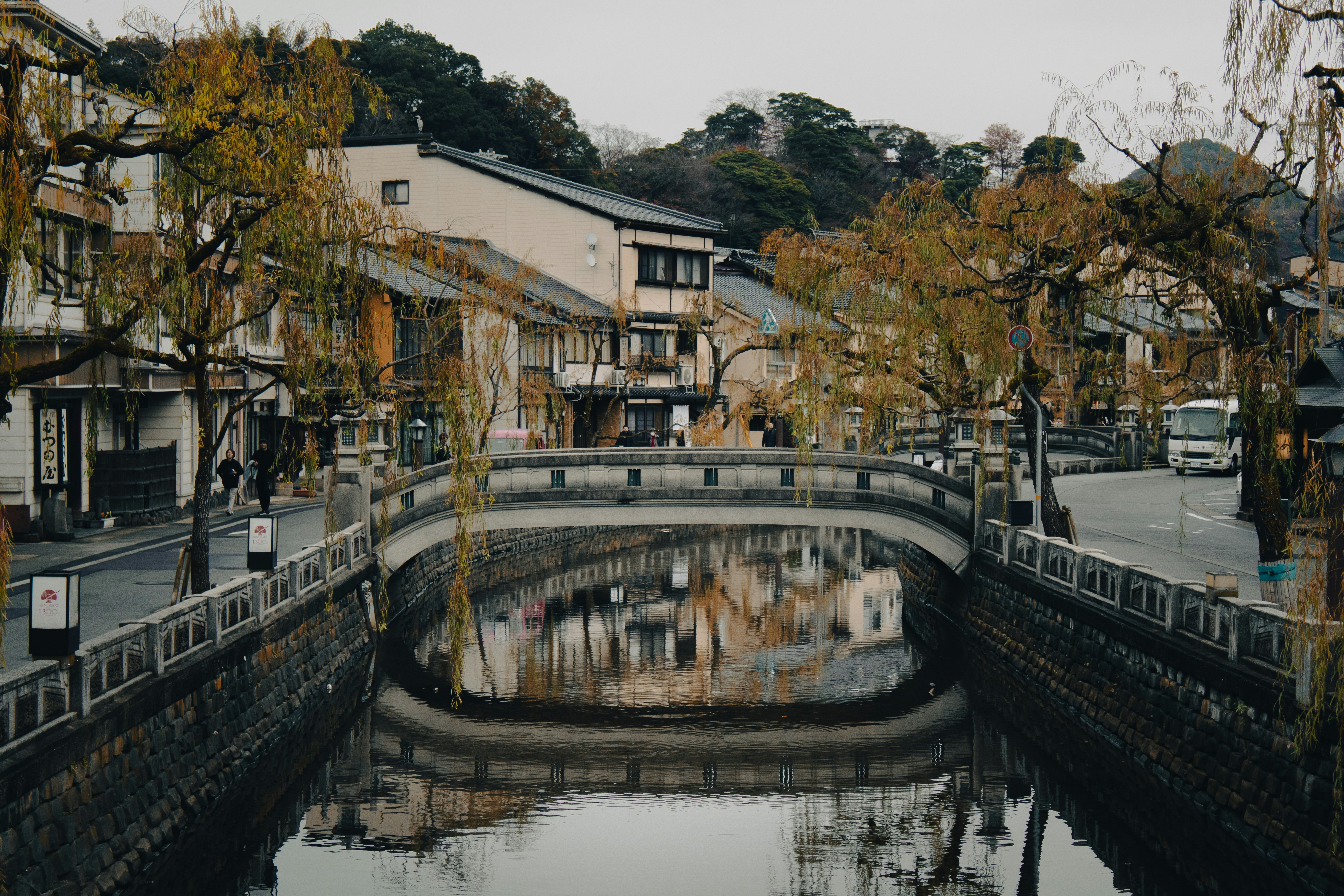
Fast-paced itineraries and checklist tourism are giving way to slower, more immersive journeys. Travelers are choosing fewer destinations and longer stays, allowing time to understand local culture rather than simply observe it.
This shift encourages meaningful experiences—shopping in neighborhood markets, learning local customs, and building temporary routines that make unfamiliar places feel lived-in rather than visited.
Sustainability Is No Longer Optional
Environmental awareness has moved from niche concern to mainstream expectation. Travelers are increasingly considering the impact of their choices, from transportation methods to accommodation and activities.
Eco-conscious lodging, low-impact travel routes, and locally owned businesses are shaping itineraries. The future traveler isn’t just a guest—they’re a participant in preserving the places they explore.
Remote Work Is Redefining Where and How People Travel
The rise of remote and hybrid work has blurred the lines between work and exploration. Digital nomads and location-independent professionals are no longer exceptions—they’re a growing segment of the global travel economy.
Cities and regions are responding with long-stay visas, co-working spaces, and infrastructure designed to support extended visits. Travel is becoming less episodic and more integrated into daily life.
Technology Is Enhancing, Not Replacing, Experience
From AI-powered planning tools to real-time translation and navigation apps, technology is simplifying the logistics of travel. But its most valuable role lies in removing friction—not replacing discovery.
The best travel tech works quietly in the background, giving travelers more time to engage with people, places, and moments that can’t be optimized or automated.
Experiences Are Replacing Souvenirs
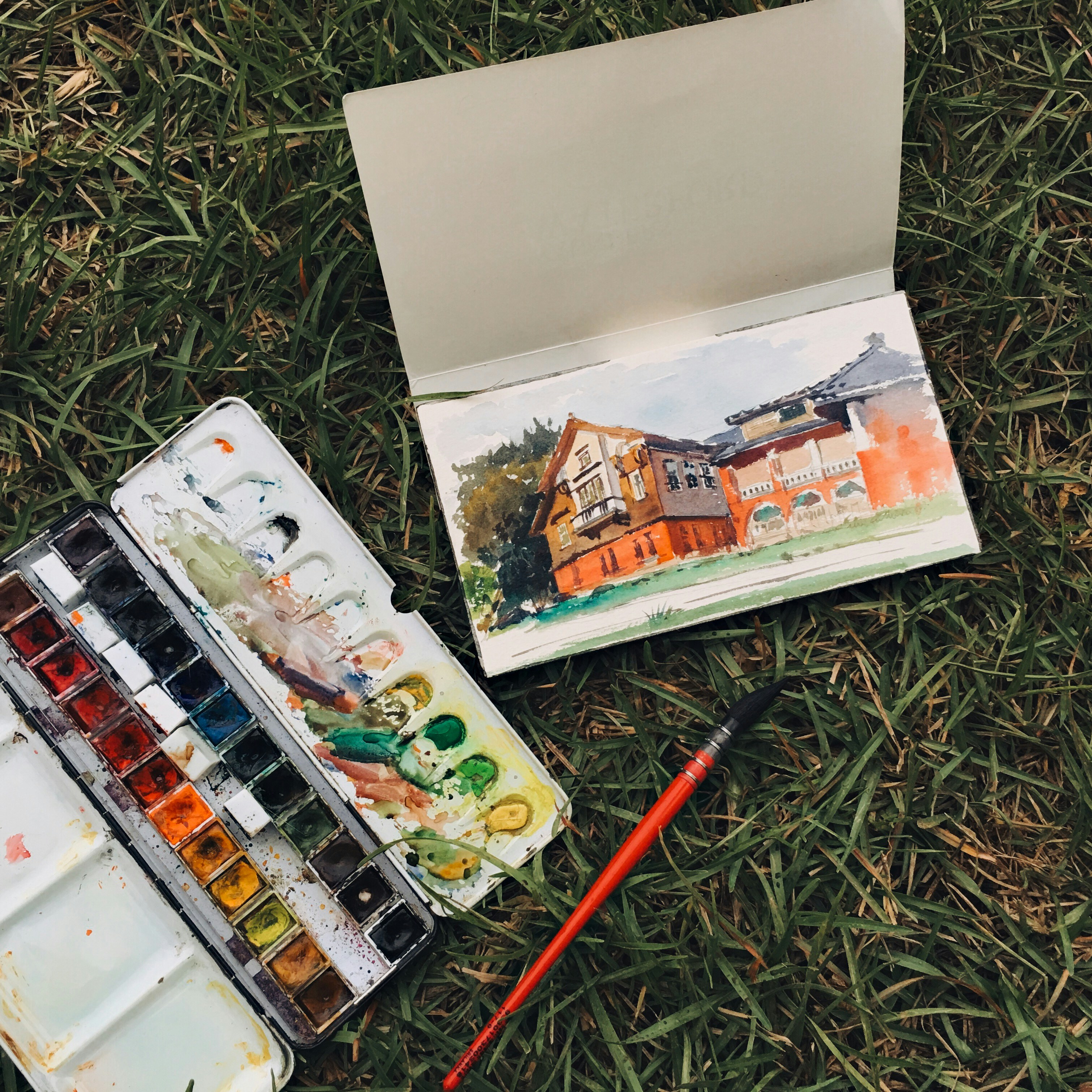
Travelers are shifting their focus from material mementos to memorable experiences. Cooking classes, guided nature walks, creative workshops, and cultural exchanges are becoming central to modern itineraries.
These experiences foster connection and understanding, creating memories that last longer than any object carried home.
Underrated Destinations Are Rising
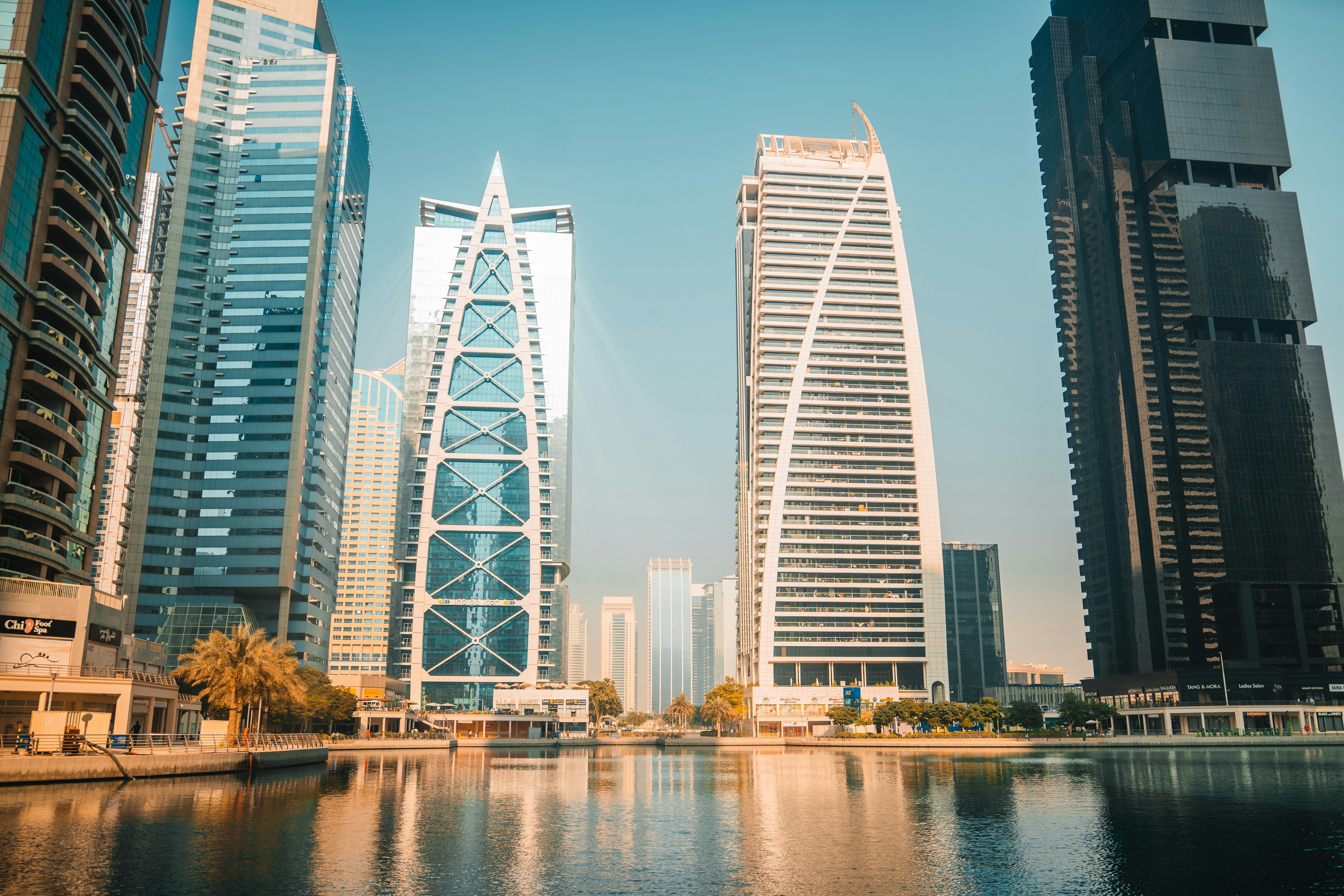
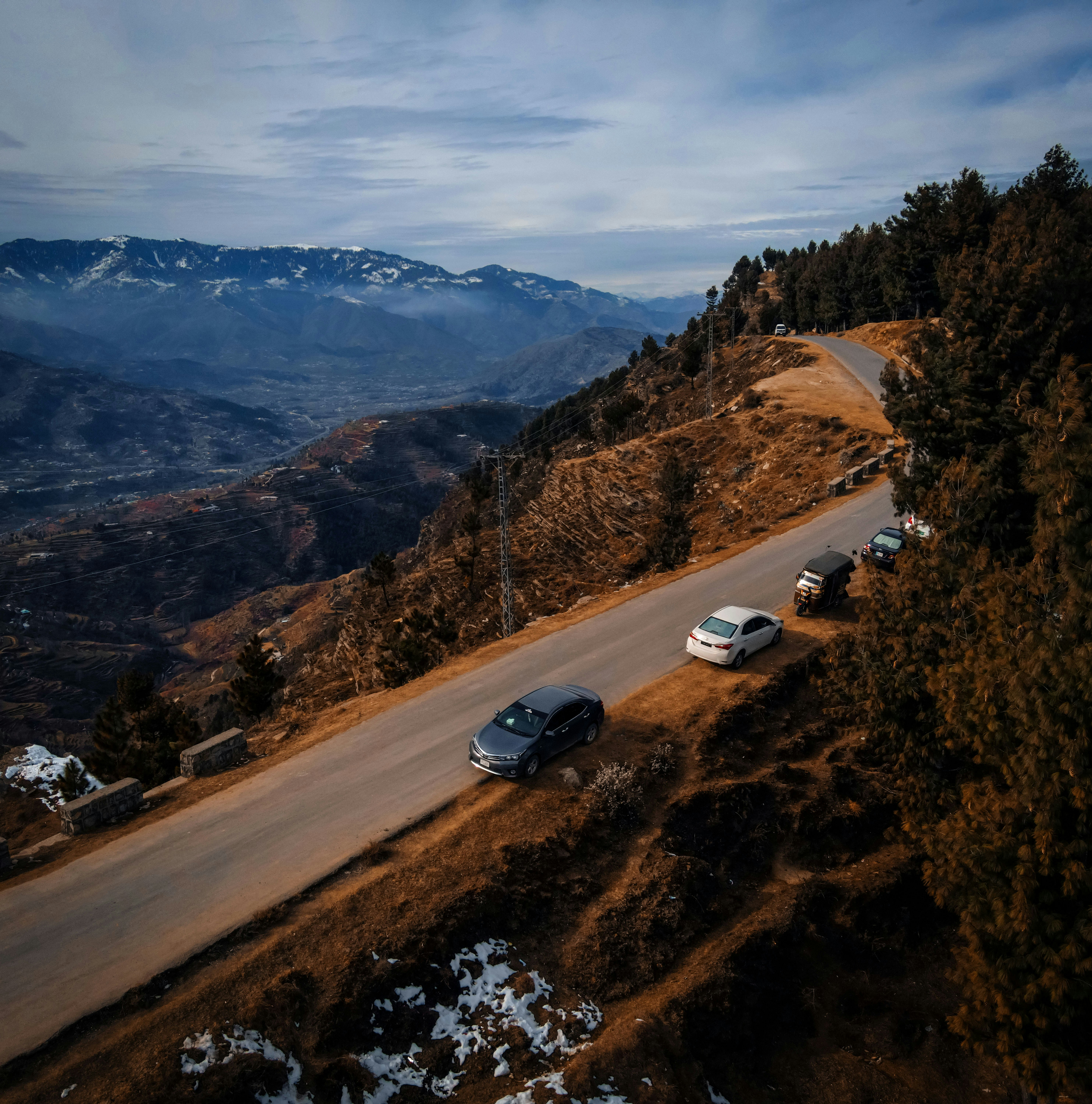
As over-tourism reshapes popular cities, travelers are seeking alternatives—secondary cities, rural regions, and emerging destinations that offer authenticity without crowds.
This trend redistributes tourism’s economic benefits while allowing travelers to explore places that feel less curated and more genuine.
Wellness Is Becoming a Core Motivation
Wellness travel has expanded beyond spa retreats. Mental health, rest, and balance are now primary reasons people travel.
Journeys centered on nature, mindfulness, and personal reset are becoming more common, reflecting a broader desire for restoration rather than constant stimulation.
A More Thoughtful Way Forward
The future of travel isn’t about collecting passport stamps—it’s about intention. It’s about choosing experiences that align with values, respecting cultures, and leaving places better than they were found.
Global exploration is evolving into something quieter, deeper, and more meaningful. And in doing so, travel is returning to its most powerful purpose: helping people understand the world—and themselves—a little better.





Newsletter
Subscribe now to stay updated with top news!
Subscribe to our newsletter and be the first to access exclusive content and expert insights.
Spotlight


- Sponsored Ad -

Smarter tools for modern teams—powering faster workflows and better decisions every day.