Community-Driven Hobbies That Bring People Together Offline
These hobbies foster belonging, encourage collaboration, and remind us that meaningful connections often happen beyond the digital space.


Nov 6, 2025
In a world increasingly shaped by screens and digital interactions, many people are rediscovering the value of face-to-face connection. Community-driven hobbies—activities built around shared interests and collective participation—are playing a vital role in bringing people together offline. These hobbies foster belonging, encourage collaboration, and remind us that meaningful connections often happen beyond the digital space.
Why Offline Communities Matter
While online communities offer convenience and reach, they often lack the depth of in-person interaction. Offline hobbies create opportunities for genuine human connection through shared experiences, physical presence, and mutual effort. Whether it’s learning a skill, working toward a common goal, or simply spending time together, these activities strengthen social bonds and promote mental well-being.
Community-driven hobbies also bridge generational, cultural, and social gaps, creating inclusive spaces where people connect through passion rather than profiles.
Sports and Recreational Groups
Local sports teams and recreational clubs are among the most common ways people connect offline. From community soccer leagues and cycling groups to yoga meetups and martial arts classes, physical activities naturally encourage teamwork and camaraderie.
These groups often welcome participants of all skill levels, making them accessible entry points for newcomers seeking both fitness and friendship. The shared commitment to regular practice and improvement builds trust and long-term relationships.
Creative and Maker Communities
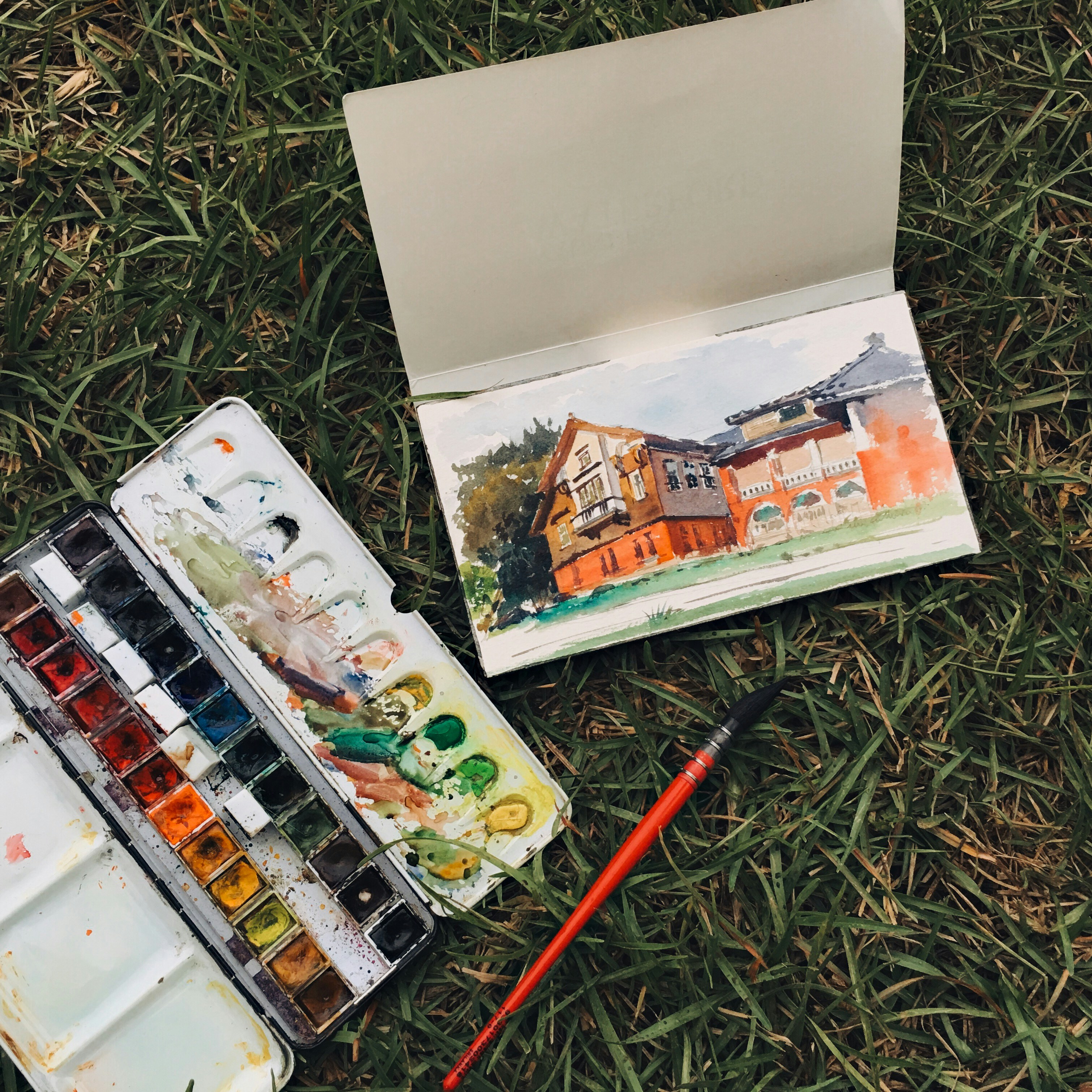
Artistic hobbies thrive in community settings. Writing circles, painting workshops, pottery studios, and maker spaces provide collaborative environments where creativity is shared and encouraged. These spaces allow individuals to learn from one another, exchange ideas, and celebrate collective progress.
Community art projects—such as murals, exhibitions, or performances—strengthen local identity and give participants a sense of contribution and pride. Creativity becomes not just a personal outlet, but a shared experience.
Gardening and Environmental Groups
Community gardens, urban farming initiatives, and environmental clean-up groups bring people together through care for shared spaces. These hobbies combine physical activity, sustainability, and collaboration, creating meaningful engagement with both people and the environment.
Working side by side to grow food or restore green areas encourages conversation, cooperation, and a shared sense of responsibility. These groups often attract people seeking slower, more mindful ways to connect.
Board Games and Tabletop Communities
Board game nights, chess clubs, and tabletop role-playing groups have seen renewed popularity as social alternatives to digital entertainment. These hobbies emphasize interaction, strategy, storytelling, and friendly competition.
Tabletop communities are especially effective at breaking social barriers. Sitting around a table creates a natural setting for conversation, laughter, and connection—often turning strangers into regular companions.
Volunteering and Skill-Sharing Groups
Volunteering is a powerful community-driven hobby that connects people through purpose. Whether tutoring, organizing local events, or participating in mutual aid initiatives, these activities unite individuals around shared values and goals.
Skill-sharing groups, such as language exchanges or DIY workshops, further strengthen community ties by encouraging knowledge exchange and mutual support. Participants are both teachers and learners, reinforcing equality and cooperation.
Music, Dance, and Cultural Circles
Group music and dance activities—such as choirs, drum circles, traditional dance groups, or open jam sessions—create strong emotional connections. Rhythm, movement, and shared expression transcend language and cultural differences, making these hobbies especially inclusive.
These gatherings often evolve into tight-knit communities, bonded by shared practice and performance experiences.
The Power of Showing Up
What makes community-driven hobbies truly impactful is consistency. Regular gatherings create familiarity, trust, and a sense of belonging. Simply showing up—week after week—builds relationships organically without pressure or performance.
In a fast-paced, digitally saturated world, these hobbies offer something rare: presence, connection, and shared time.
Community-driven hobbies remind us that meaningful connection doesn’t require algorithms or screens. By engaging in shared, offline activities, people build stronger relationships, healthier communities, and richer lives. Whether through sports, creativity, volunteering, or play, these hobbies prove that human connection thrives when people come together—face to face.







Newsletter
Subscribe now to stay updated with top news!
Subscribe to our newsletter and be the first to access exclusive content and expert insights.
Spotlight




- Sponsored Ad -

Smarter tools for modern teams—powering faster workflows and better decisions every day.