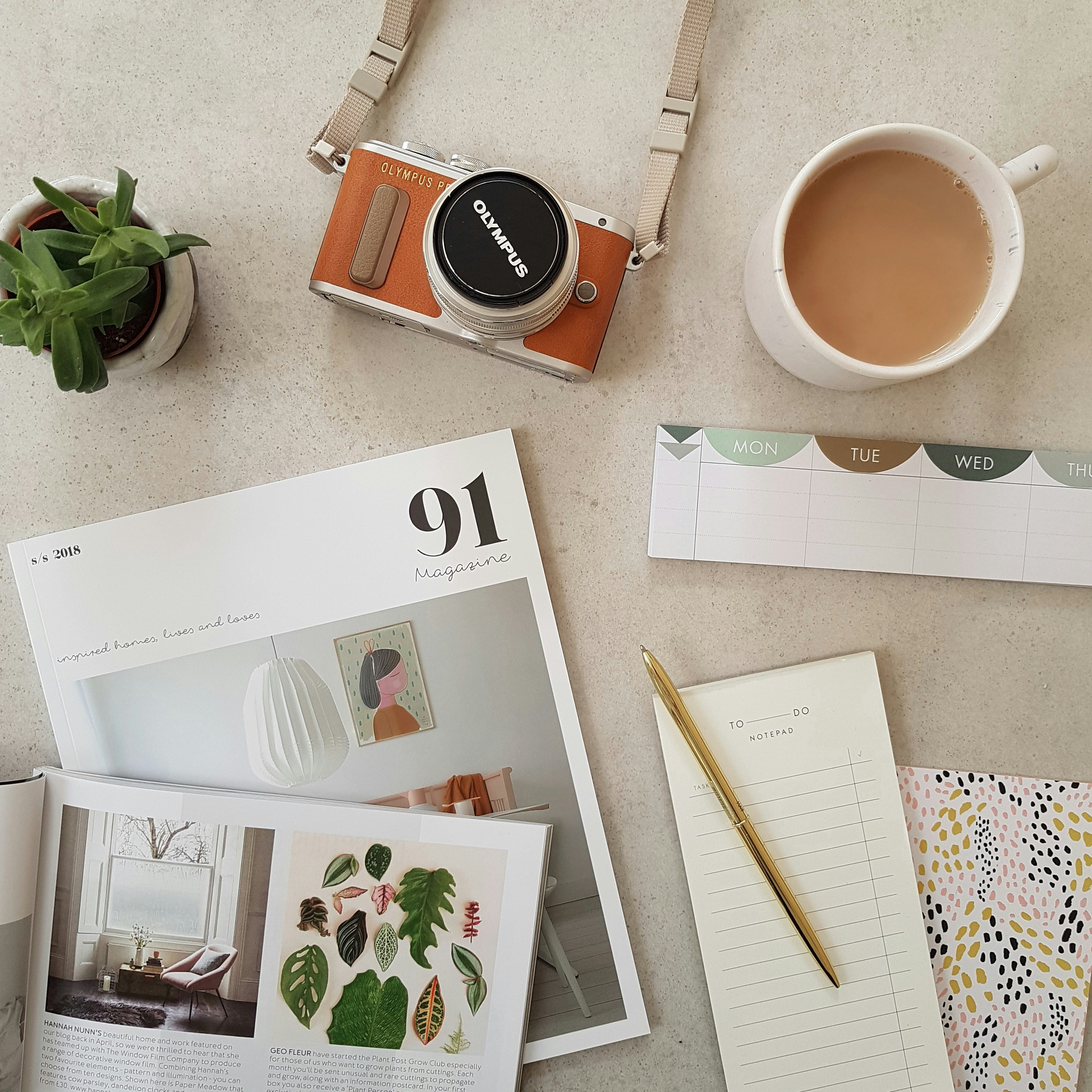
Living Better Every Day by Building Habits That Truly Last a Lifetime
Most people don’t fail at improving their lives because they lack motivation. They fail because the habits they try to build were never designed to last.


Feb 17, 2026
Most people don’t fail at improving their lives because they lack motivation. They fail because the habits they try to build were never designed to last.
We start strong. A new routine. A new promise. A sudden burst of discipline fueled by inspiration, guilt, or a fresh calendar. And then, slowly, quietly, the habit disappears—replaced by familiar patterns that feel easier, more comfortable, and somehow inevitable.
But lasting change rarely comes from dramatic overhauls. It comes from small, intentional habits that fit into real life, not ideal versions of it.
The Problem With “All or Nothing” Change
Modern self-improvement culture often pushes extremes. Wake up at 5 a.m. every day. Work out for an hour. Meditate perfectly. Eat clean. Be consistent forever.
The problem isn’t effort—it’s sustainability.
When habits are built around intensity instead of alignment, they collapse under pressure. Busy weeks, emotional stress, travel, or even boredom can derail routines that rely solely on discipline. And once a habit breaks, many people abandon it entirely, believing they’ve failed.
In reality, the habit was simply too rigid to survive real life.
Habits Should Reduce Friction, Not Create It
The habits that last longest are often the least impressive on the surface.
Five minutes of movement. Writing one paragraph. Reading two pages. Preparing tomorrow’s clothes the night before. These actions don’t feel transformative—but they are.
By lowering the barrier to action, habits become easier to repeat, even on difficult days. Consistency thrives when the effort required feels manageable, not heroic.
A habit that feels “too small to matter” is often the one that matters most.
Identity Comes Before Routine
Lasting habits are rooted in identity, not outcomes.
Instead of asking, “What do I want to achieve?” ask, “Who do I want to become?” A person who moves their body. A person who values calm. A person who shows up for themselves.
When habits are tied to identity, skipping a day doesn’t feel like failure—it feels like a temporary pause. The habit isn’t gone; it’s part of who you are.
This shift removes pressure and replaces it with patience.
Design Habits for Imperfect Days
The true test of a habit isn’t whether it works on your best days—it’s whether it survives your worst ones.
Build “minimum versions” of your habits. A version you can do when you’re tired, busy, or overwhelmed. One stretch instead of a full workout. One sentence instead of a full journal entry.
These fallback versions keep the habit alive, maintaining momentum even when energy is low.
Progress doesn’t require perfection. It requires continuation.
Environment Shapes Behavior More Than Willpower
Habits don’t exist in isolation. They’re shaped by surroundings.
A phone on the nightstand encourages scrolling. Healthy food at eye level encourages better choices. A notebook on your desk invites reflection. The environment quietly nudges behavior—often more effectively than motivation ever could.
Instead of forcing yourself to change, change what’s around you.
Make the right habit easier and the wrong habit slightly harder. Small adjustments compound over time.
Let Time Do the Heavy Lifting
Habits feel fragile in the beginning. Missed days feel catastrophic. Progress feels invisible.
But over time, repetition builds familiarity. Familiarity builds trust. And trust turns habits into defaults rather than decisions.
The goal isn’t to transform your life overnight. It’s to become someone who gently improves, consistently, over time.
That’s how habits stop feeling like effort—and start feeling like identity.
Living Better, One Small Habit at a Time
A better life isn’t built through dramatic reinvention. It’s built quietly, patiently, through habits that respect your energy, your limits, and your humanity.
Start small. Start imperfect. Start again when you drift.
Because the habits that last aren’t the ones that impress others—they’re the ones you can live with every day.





Newsletter
Subscribe now to stay updated with top news!
Subscribe to our newsletter and be the first to access exclusive content and expert insights.
Spotlight


- Sponsored Ad -

Smarter tools for modern teams—powering faster workflows and better decisions every day.