Why Slow Travel Is Redefining the Meaning of Modern Exploration
For much of modern travel history, exploration was measured in distance covered and destinations collected. The faster you moved, the more you saw—or so the logic went.


Feb 6, 2026
For much of modern travel history, exploration was measured in distance covered and destinations collected. The faster you moved, the more you saw—or so the logic went. Today, that idea is quietly losing its hold.
Slow travel isn’t about doing less. It’s about experiencing more.
A Response to Travel Burnout
Years of accelerated itineraries, packed schedules, and social-media-driven checklists have left many travelers exhausted rather than inspired. The pressure to see everything—and document it—often turns travel into performance.
Slow travel emerges as a response to this fatigue. By staying longer in one place, travelers replace urgency with curiosity and observation with participation.
Time as the Ultimate Luxury
In slow travel, time becomes the most valuable resource.
Instead of rushing between landmarks, travelers allow days to unfold naturally. Mornings are shaped by routine rather than reservation times. Evenings stretch without obligation. This openness creates space for spontaneous conversations, local discoveries, and moments that no itinerary could plan.
Time, once constrained, becomes expansive again.
Living Like a Temporary Local
Slow travel encourages travelers to inhabit a place rather than pass through it.
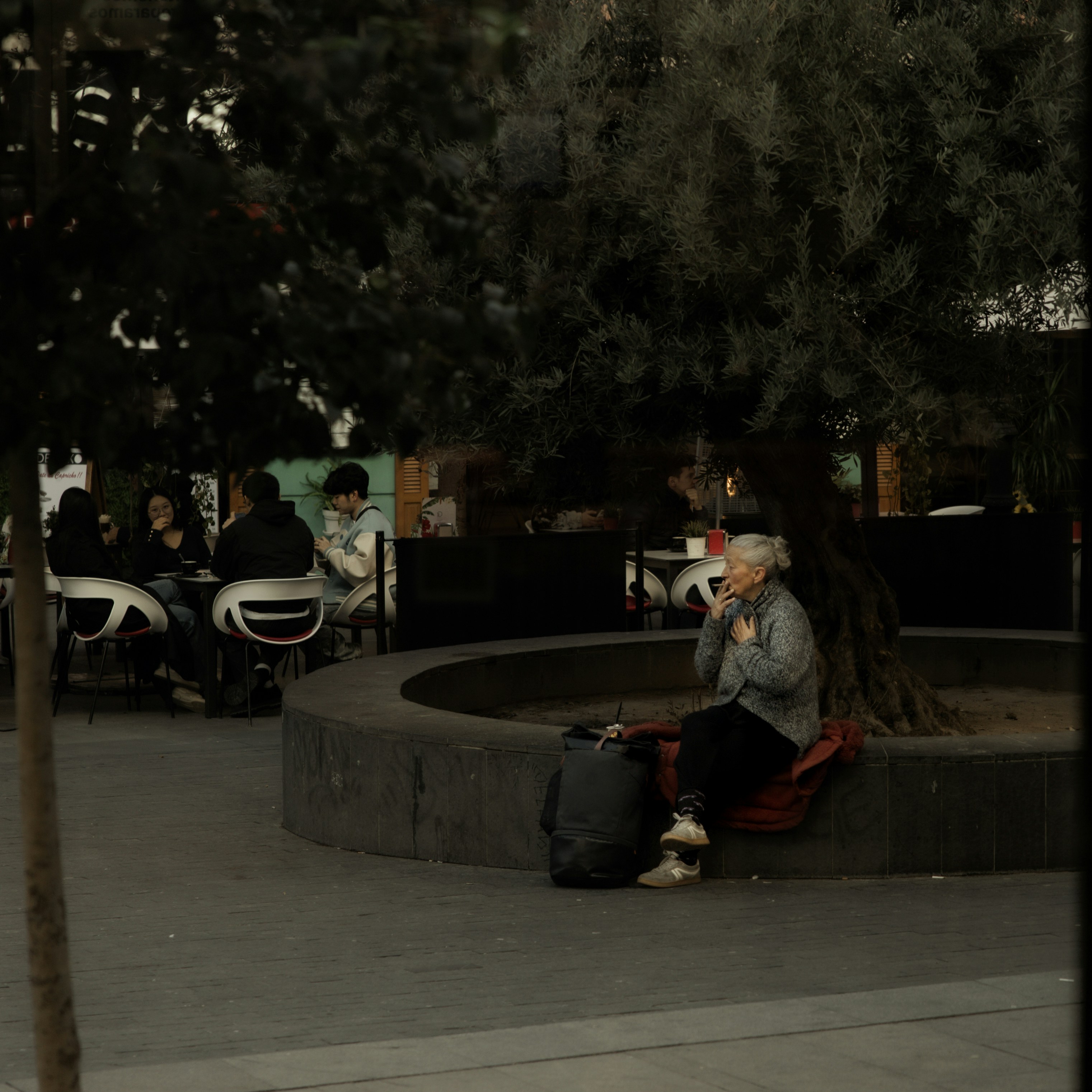
Shopping at neighborhood markets, learning basic language phrases, visiting the same café each morning—these small rituals create familiarity and connection. The destination stops feeling like a backdrop and begins to feel lived-in.
This shift transforms travel from observation into belonging.
Sustainability Through Fewer Miles
Moving slower often means moving less.
By reducing frequent flights and long transfers, slow travel naturally lowers environmental impact. Longer stays support local economies more directly, favoring small businesses and community-run accommodations.
Sustainability, in this context, isn’t an added effort—it’s a byproduct of intention.
Technology as a Quiet Companion
Contrary to assumptions, slow travel doesn’t reject technology.
Digital tools help travelers work remotely, navigate unfamiliar cities, and stay connected without constant distraction. The key difference lies in usage. Technology supports the journey rather than dominating it.
Phones remain tools—not timelines.
A Shift in Travel Values
The rise of slow travel reflects a deeper cultural change. Exploration is no longer about novelty alone. It’s about meaning, balance, and personal growth.
Travelers are asking different questions—not How many places can I see? but What kind of experience do I want to have?
Rediscovering the Purpose of Exploration
At its core, slow travel reconnects exploration with its original purpose: understanding.
By moving deliberately, travelers notice details often missed—the rhythm of daily life, subtle cultural norms, and the quiet beauty of ordinary moments.
In slowing down, travel becomes less about escape and more about engagement.
A New Definition of Modern Exploration
Slow travel doesn’t eliminate ambition or curiosity. It reshapes them.
The modern explorer isn’t defined by speed or distance, but by presence. By choosing depth over breadth, travelers are redefining what it means to explore the world—one place, one moment, and one connection at a time.





Newsletter
Subscribe now to stay updated with top news!
Subscribe to our newsletter and be the first to access exclusive content and expert insights.
Spotlight

- Sponsored Ad -

Smarter tools for modern teams—powering faster workflows and better decisions every day.