The Most Important Scientific Advancements to Watch This Year
Science rarely moves in sudden leaps. Progress unfolds through careful experimentation, long-term research, and ideas that take years to mature.

Feb 12, 2026
Science rarely moves in sudden leaps. Progress unfolds through careful experimentation, long-term research, and ideas that take years to mature. Yet some moments stand out—when multiple breakthroughs converge and begin to reshape what’s possible.
This year is one of those moments.
Across medicine, energy, space, and artificial intelligence, scientific advancements are quietly setting the foundation for profound change.
Breakthroughs in Personalized Medicine
Advances in genomics and data analysis are transforming how diseases are diagnosed and treated. Rather than applying one-size-fits-all therapies, researchers are developing treatments tailored to individual genetic profiles.
This shift promises more effective care, fewer side effects, and earlier intervention—moving medicine from reaction to prevention.
AI as a Scientific Tool, Not Just a Product
Artificial intelligence is no longer just a commercial technology. In laboratories, AI is accelerating discovery by analyzing complex datasets, simulating experiments, and identifying patterns humans might miss.
From drug development to climate modeling, AI is becoming an essential partner in scientific research—expanding what scientists can explore within limited time and resources.
New Frontiers in Clean Energy
Energy research is entering a decisive phase. Improvements in battery storage, solar efficiency, and alternative fuels are addressing long-standing limitations in renewable systems.
Fusion research, once considered distant, continues to progress, while smarter grids and energy storage solutions bring stability to renewable power at scale.
The result is not just cleaner energy—but more resilient infrastructure.
Advances in Climate and Earth Science
Understanding the planet has never been more urgent. New satellite systems, improved climate models, and real-time environmental monitoring are providing clearer insights into Earth’s changing systems.
These tools help scientists predict extreme weather, track ecosystem health, and inform policy decisions with greater accuracy and urgency.
Space Exploration Beyond Symbolism
Space science is shifting from spectacle to strategy.
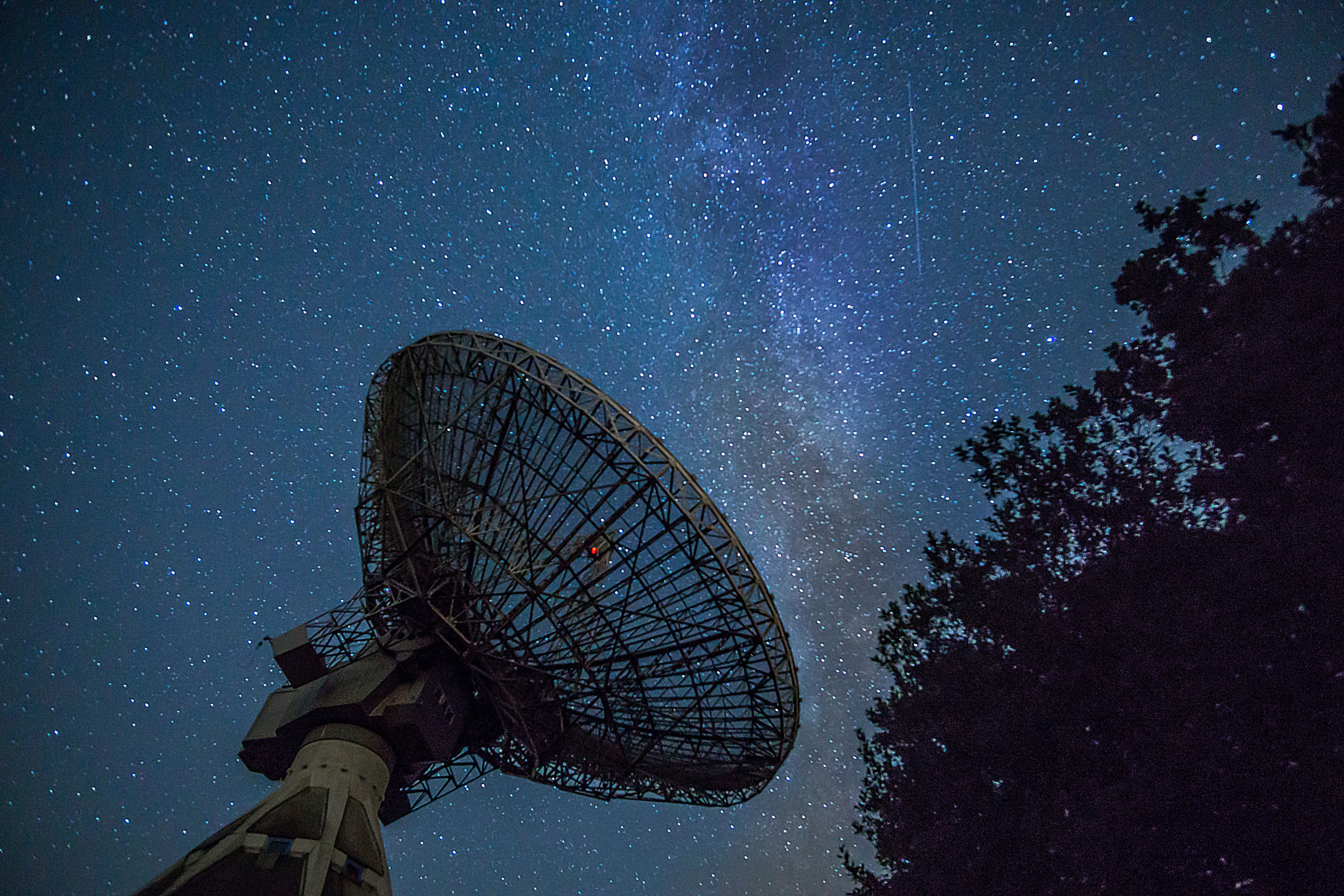
With renewed lunar missions, deeper space telescopes, and growing international collaboration, space research is expanding knowledge about planetary formation, cosmic history, and Earth’s place in the universe.
What happens beyond our atmosphere continues to influence innovation back on Earth.
Neuroscience and the Study of the Human Mind
Recent progress in brain imaging, neural interfaces, and cognitive science is shedding light on how the brain processes thought, emotion, and behavior.
These insights could reshape mental health treatment, learning methods, and human-computer interaction—bringing science closer to understanding consciousness itself.
Science Moving at the Speed of Collaboration
One of the most important advancements isn’t a single discovery—it’s how science is done.
Open data, cross-border collaboration, and interdisciplinary research are accelerating progress. Problems once tackled in isolation are now approached collectively, blending biology, physics, computing, and social science.
A Year That Signals What’s Next
Scientific progress doesn’t always make headlines, but its impact shapes decades to come.
The advancements emerging this year won’t all change the world overnight. But together, they point toward a future defined by deeper understanding, smarter systems, and a more deliberate relationship between technology, humanity, and the planet.
Science, as ever, moves forward—quietly, carefully, and with lasting effect.







Newsletter
Subscribe now to stay updated with top news!
Subscribe to our newsletter and be the first to access exclusive content and expert insights.
Spotlight




- Sponsored Ad -

Smarter tools for modern teams—powering faster workflows and better decisions every day.