Inside Today’s Most Ambitious Missions in Space Exploration and Science
From probing the origins of galaxies to preparing for life beyond Earth, space exploration has become more purposeful—and more ambitious—than ever.


Feb 4, 2026
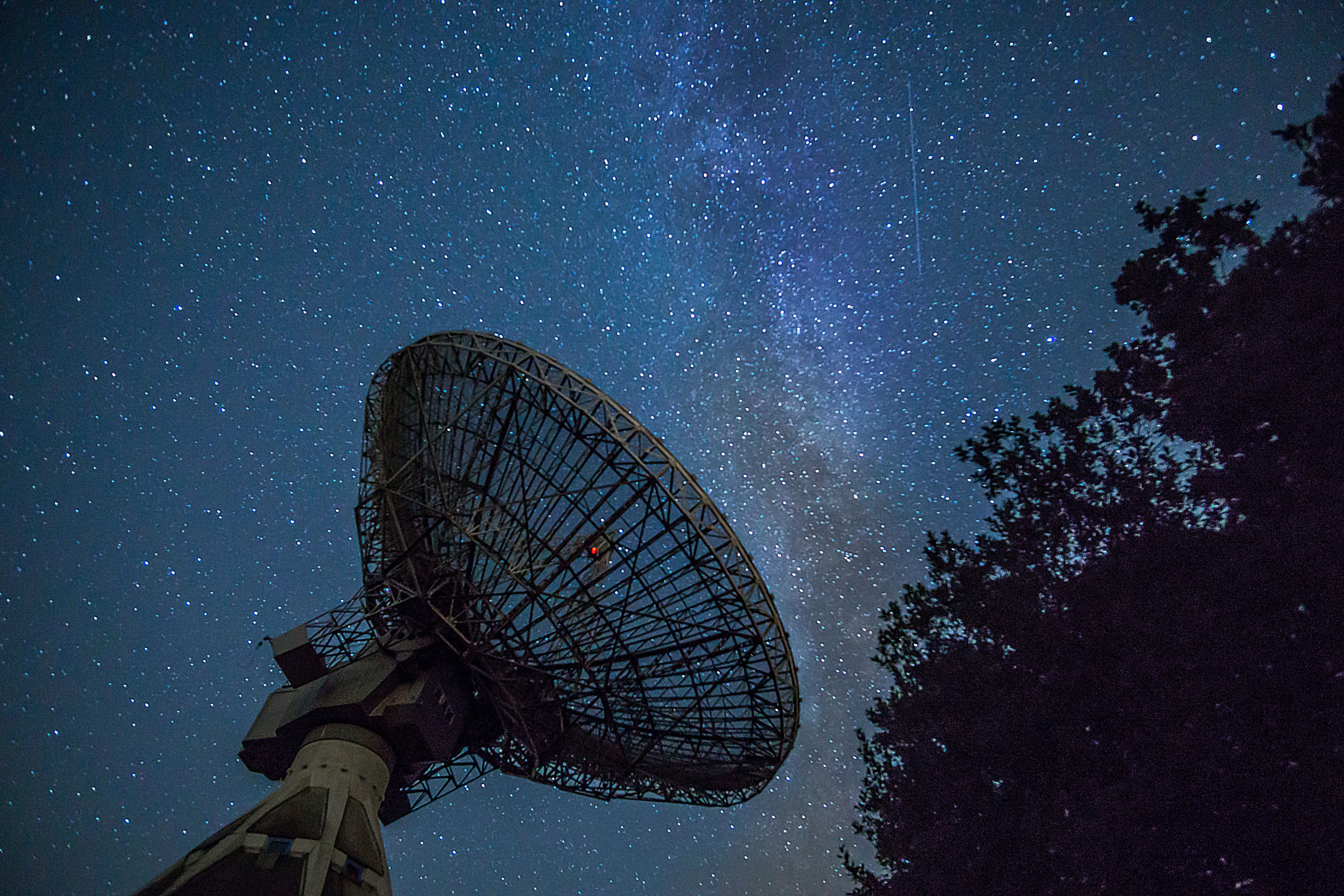
Humanity’s relationship with space is entering a bold new chapter. No longer defined solely by national rivalry or symbolic milestones, today’s most ambitious space missions are driven by science, collaboration, and an urgent desire to understand our place in the universe. From probing the origins of galaxies to preparing for life beyond Earth, space exploration has become more purposeful—and more ambitious—than ever.
A New Era Beyond the Moon Race
Unlike the Cold War–era space race, modern missions are shaped by long-term scientific goals rather than short-term political wins. Space agencies and private companies now work toward shared objectives: studying climate change, searching for habitable worlds, and developing technologies that could sustain human life on other planets.
International collaboration has become the norm. Missions often involve multiple space agencies, research institutions, and private partners, allowing for more complex projects that no single organization could achieve alone.
Exploring Mars as a Living Laboratory
Mars remains at the center of scientific curiosity. Robotic explorers are no longer just mapping the surface—they’re actively searching for signs of ancient microbial life, analyzing soil chemistry, and testing technologies for future human missions.
Advanced rovers and orbiters are helping scientists reconstruct Mars’ environmental history, offering clues about whether the planet once supported life. These findings don’t just inform planetary science; they reshape how we understand life’s potential across the universe.
Reaching Deeper Into the Cosmos
Beyond our solar system, space telescopes are transforming astronomy. Modern observatories are designed to peer farther back in time than ever before, capturing light from the earliest galaxies formed after the Big Bang.
These missions allow scientists to study how stars are born, how galaxies evolve, and how planets form around distant suns. Each discovery refines our understanding of cosmic history and challenges long-held assumptions about how the universe works.
Returning Humans to Deep Space
Human exploration is also regaining momentum. Plans to establish a sustained human presence on the Moon are underway, serving as a proving ground for technologies needed for deeper space travel. These missions focus on learning how humans can live, work, and conduct science in extreme environments for extended periods.
Rather than brief visits, the goal is permanence—developing habitats, resource utilization systems, and life-support technologies that could eventually support missions to Mars and beyond.
Space Science Closer to Home
Not all ambitious missions travel far. Earth-observing satellites play a critical role in studying climate systems, natural disasters, and environmental change. These missions provide real-time data that influences policy decisions, disaster response, and sustainability efforts worldwide.
In this sense, space exploration isn’t just about distant worlds—it’s also about better understanding and protecting our own.
The Bigger Picture
What unites today’s most ambitious space missions is purpose. Exploration is no longer just about seeing what’s out there, but about asking deeper questions: How did the universe begin? Are we alone? How can humanity survive and thrive beyond Earth?
As technology advances and collaboration expands, space exploration is becoming less about limits and more about possibility. The missions underway today are laying the groundwork for discoveries that will shape science, society, and our collective future for generations to come.







Newsletter
Subscribe now to stay updated with top news!
Subscribe to our newsletter and be the first to access exclusive content and expert insights.
Spotlight




- Sponsored Ad -

Smarter tools for modern teams—powering faster workflows and better decisions every day.