Music Trends That Are Defining Today’s Global Sound and Culture
Fueled by streaming platforms, social media, and borderless collaboration, modern music culture is no longer defined by geography or genre.

Feb 1, 2026
Music has always reflected the world around it, but today’s global sound is evolving faster and more broadly than ever before. Fueled by streaming platforms, social media, and borderless collaboration, modern music culture is no longer defined by geography or genre. Instead, it thrives on fluid identity, experimentation, and shared influence.
A Borderless Music Landscape
The most defining feature of today’s music scene is its global nature. Artists from different continents collaborate seamlessly, blending languages, rhythms, and traditions. A song can originate in one country and become a worldwide phenomenon overnight.
Genres like Afrobeats, Latin pop, K-pop, and global electronic styles have moved from regional recognition to mainstream dominance, reshaping international charts and influencing artists across cultures.
Genre Blending Becomes the Norm
Rigid genre boundaries are fading. Today’s musicians borrow freely from hip-hop, pop, jazz, electronic, rock, and traditional music, creating hybrid sounds that resist easy classification.
This openness has led to a more experimental listening culture, where audiences value originality over labels. Playlists replace albums as discovery tools, and mood, vibe, or aesthetic often matters more than genre identity.
The Rise of Short-Form Music Discovery
Social platforms have transformed how music spreads. Short-form video has become one of the most powerful drivers of new hits, allowing songs to gain traction through snippets, remixes, and viral challenges.
Rather than traditional marketing cycles, many artists now build momentum organically—testing sounds online, responding to feedback, and letting audiences shape what resonates.
Authenticity Over Perfection
Modern music culture favors honesty and emotional connection. Listeners are drawn to raw vocals, imperfect production, and deeply personal storytelling. This shift has opened doors for independent artists who prioritize expression over polish.
Lyrics increasingly explore mental health, identity, and social realities, reflecting a generation that values vulnerability and transparency in art.
Technology as a Creative Partner
Technology is no longer just a production tool—it’s a creative collaborator. Artificial intelligence, digital instruments, and home-studio software enable artists to experiment without traditional gatekeepers.
This accessibility has democratized music creation, allowing diverse voices to emerge and pushing innovation at every level of the industry.
Live Music Evolves With the Culture
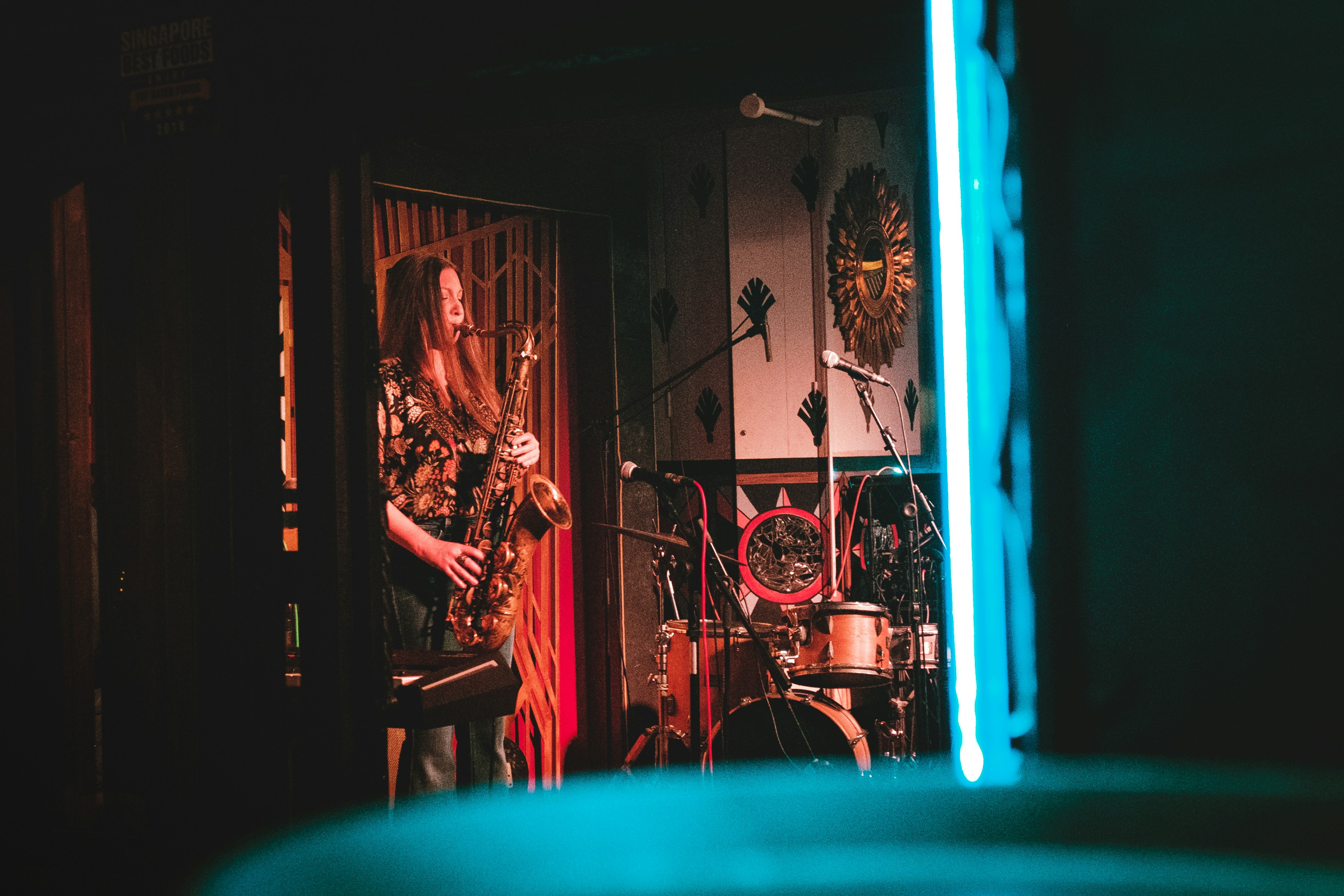
Live performances are also changing. Audiences seek immersive experiences that go beyond traditional concerts, blending visuals, storytelling, and community interaction.
Virtual shows, hybrid festivals, and intimate pop-up performances reflect a desire for connection—both physical and digital—in a fragmented cultural landscape.
Cultural Influence Beyond Sound
Music’s influence now extends far beyond audio. Fashion, language, visual aesthetics, and online communities are shaped by artists and scenes that thrive in digital spaces.
Musicians are cultural architects, shaping how people dress, communicate, and identify across borders and platforms.
The Sound of Now
Today’s global music culture is defined by movement, exchange, and evolution. It’s a sound built from countless influences, shared instantly and reshaped continuously.
Rather than following a single trend, modern music reflects a collective conversation—one where creativity flows freely, culture travels fast, and the global sound is always changing.




Newsletter
Subscribe now to stay updated with top news!
Subscribe to our newsletter and be the first to access exclusive content and expert insights.
Spotlight



- Sponsored Ad -

Smarter tools for modern teams—powering faster workflows and better decisions every day.