Why Nostalgia Continues to Dominate Film, Music, and Fashion
From film reboots and retro music revivals to vintage-inspired fashion collections, the past continues to influence what we watch, listen to, and wear.


Nov 27, 2025
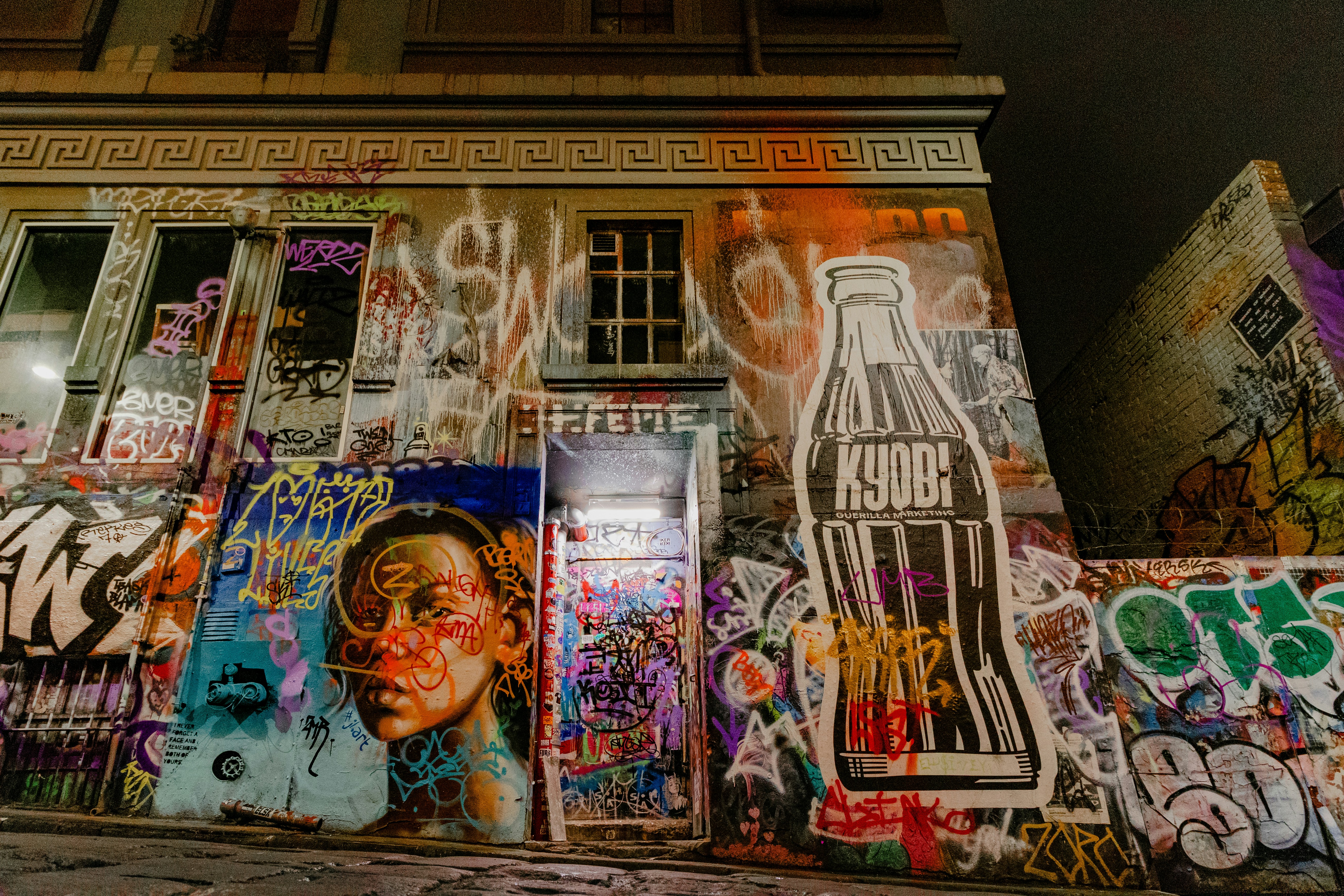
Nostalgia has become one of the most powerful forces shaping modern culture. From film reboots and retro music revivals to vintage-inspired fashion collections, the past continues to influence what we watch, listen to, and wear. In a rapidly changing world, nostalgia offers comfort, familiarity, and a sense of continuity that resonates across generations.
Comfort in Familiar Stories
In film and television, nostalgia-driven content thrives because it feels safe. Familiar characters, remakes, and sequels tap into collective memories, reducing uncertainty for both creators and audiences. These stories provide emotional reassurance, allowing viewers to reconnect with moments that once brought joy or meaning.
In times of social and economic uncertainty, familiar narratives feel grounding.
Music as an Emotional Time Capsule
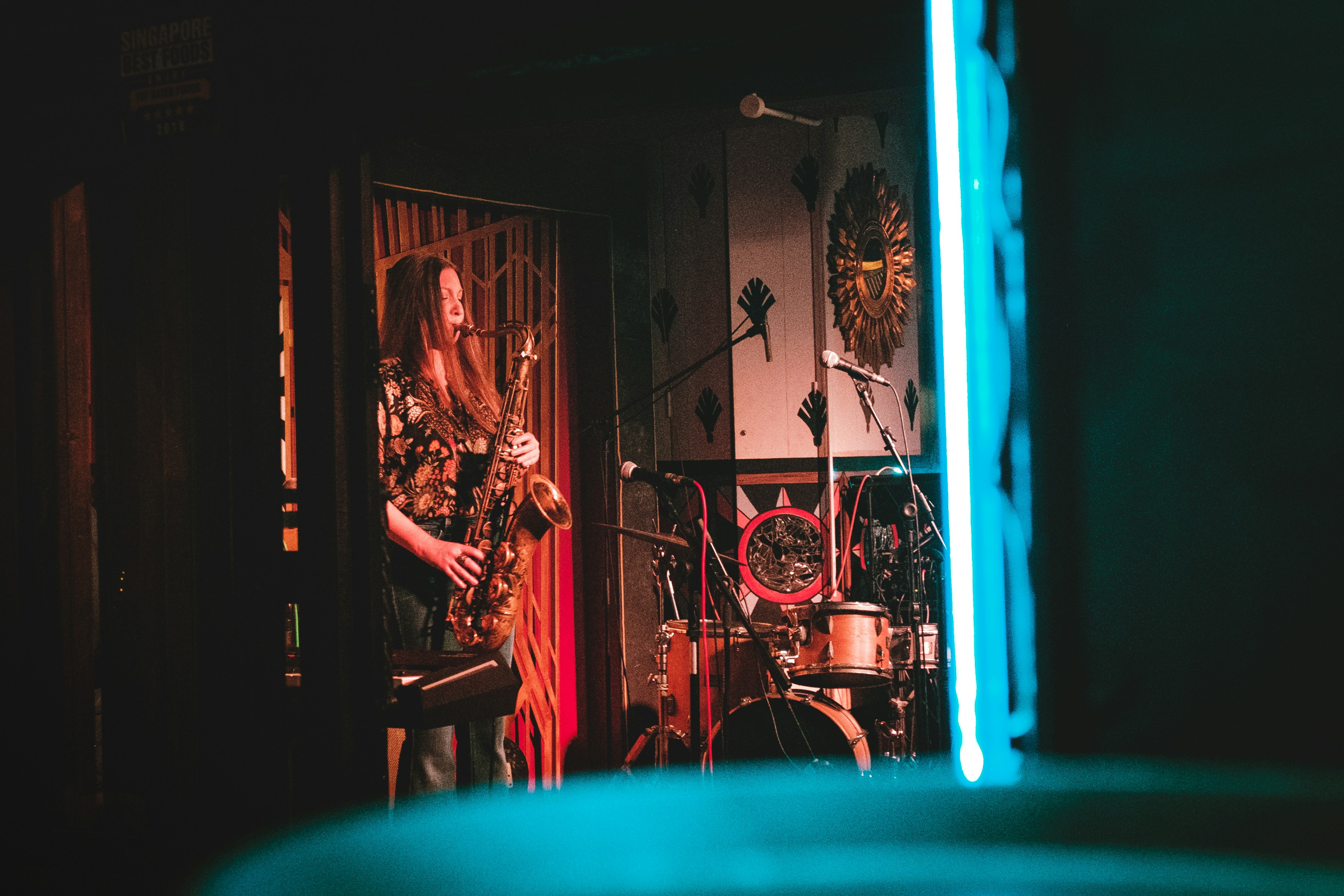
Music has a unique ability to transport people through time. Vintage sounds, revived genres, and sampled classics evoke strong emotional responses, often tied to personal experiences. Younger audiences discover older styles through modern reinterpretations, while older listeners revisit formative moments in their lives.
Streaming platforms and social media have made this cross-generational exchange easier than ever.
Fashion’s Cyclical Nature
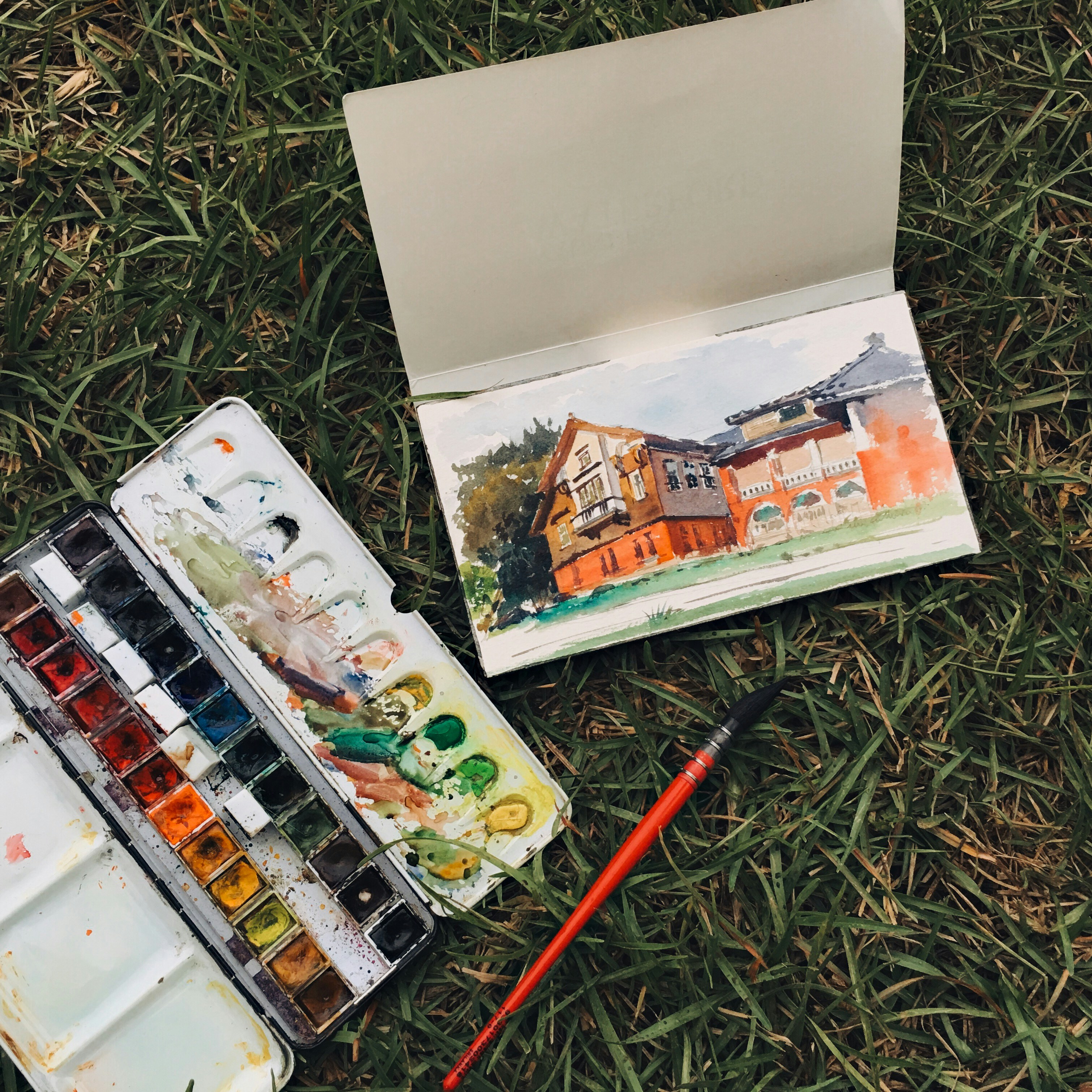
Fashion naturally moves in cycles, and nostalgia fuels its constant reinvention. Designers revisit silhouettes, patterns, and aesthetics from past decades, adapting them to modern sensibilities. From retro sneakers to archival runway looks, old trends gain new relevance through reinterpretation.
Nostalgic fashion allows individuals to express identity while participating in shared cultural memory.
Digital Culture and Accelerated Memory
The digital age has amplified nostalgia. Algorithms resurface past content, while social platforms turn memories into shareable moments. What once faded over time now remains accessible, remixable, and constantly reintroduced.
This constant exposure accelerates cultural cycles, allowing nostalgia to return faster and more frequently.
Risk, Economics, and Creative Security
Nostalgia also makes economic sense. Established franchises, recognizable sounds, and familiar aesthetics reduce financial risk. Studios, labels, and brands rely on proven emotional connections to attract audiences in competitive markets.
While this can limit experimentation, it also funds new creative work built on familiar foundations.
Identity, Memory, and Meaning
At its core, nostalgia is about identity. Revisiting the past helps people understand who they were and who they’ve become. Cultural nostalgia offers a shared language for memory, bridging generations and creating collective meaning.
In a world defined by constant change, nostalgia provides emotional anchors.
Balancing the Past and the Future
While nostalgia dominates, it doesn’t exist in isolation. The most successful cultural works blend familiar elements with fresh perspectives. This balance keeps nostalgia from becoming repetition and transforms it into creative evolution.
Nostalgia endures because it reminds us that the past still matters—not as something to escape into, but as something to build upon.




Newsletter
Subscribe now to stay updated with top news!
Subscribe to our newsletter and be the first to access exclusive content and expert insights.
Spotlight




- Sponsored Ad -

Smarter tools for modern teams—powering faster workflows and better decisions every day.