How Minimalist Living Is Influencing Modern Design and Habits
Minimalist living has evolved from a niche lifestyle choice into a defining influence on how people design their spaces, manage their time, and shape their daily routines.

Feb 3, 2026
Minimalist living has evolved from a niche lifestyle choice into a defining influence on how people design their spaces, manage their time, and shape their daily routines. What began as a reaction to excess has become a thoughtful approach to living with intention—one that’s quietly reshaping modern habits and aesthetics.
The Shift From More to Meaningful
At its core, minimalism is less about owning fewer things and more about making deliberate choices. People are increasingly questioning what truly adds value to their lives, leading to a cultural shift away from accumulation and toward clarity.
This mindset has influenced how individuals approach everything from home layouts to digital consumption. Clean spaces, fewer distractions, and intentional routines are now seen as tools for focus, well-being, and mental balance.
Minimalism in Modern Design
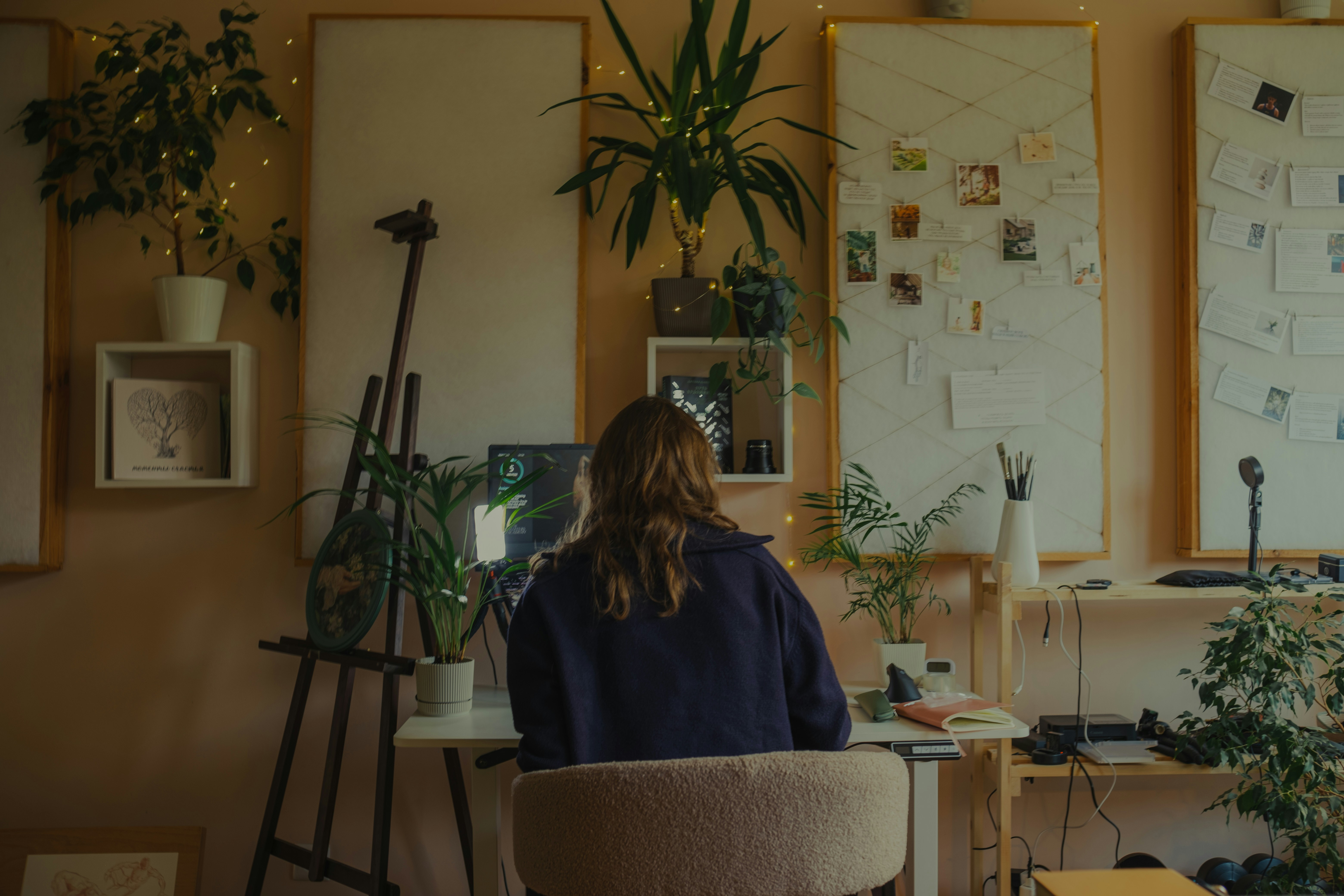
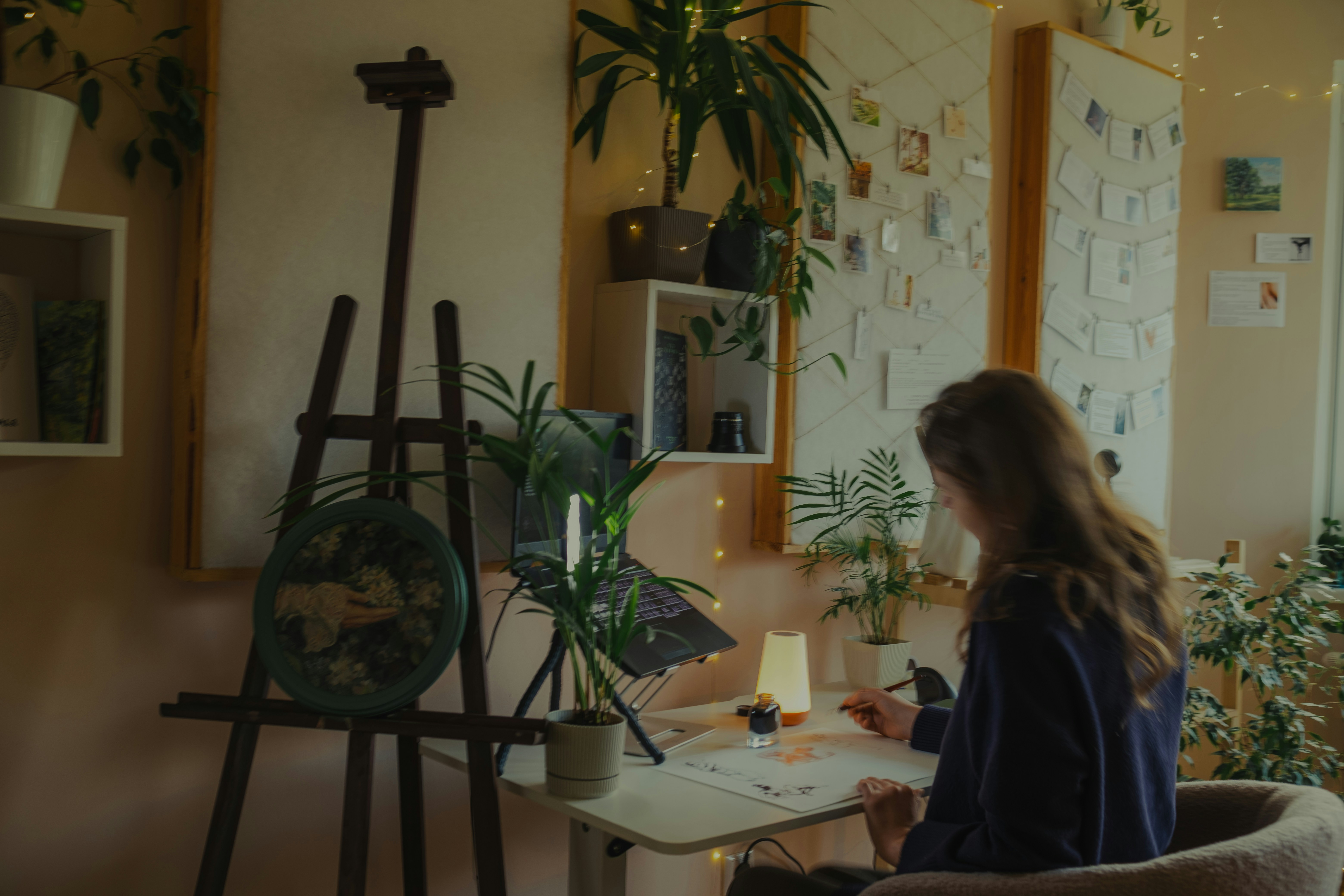
Design is where minimalist living becomes most visible. Contemporary interiors favor neutral palettes, open layouts, and functional furniture that serves multiple purposes. Decorative elements are chosen carefully, often for emotional or practical value rather than visual excess.
Materials like wood, stone, and natural textiles dominate minimalist spaces, reinforcing a sense of calm and authenticity. Lighting, once an afterthought, is now central—used to shape mood and highlight simplicity rather than overwhelm the senses.
Habits That Reflect Simplicity
Minimalist living also influences everyday habits. People are adopting more intentional routines, from streamlined morning rituals to simplified wardrobes built around versatile pieces. The idea is not restriction, but freedom—reducing decision fatigue and creating space for what matters most.
Digital minimalism is another growing trend. Limiting notifications, curating social feeds, and setting boundaries with technology help restore focus and reduce cognitive overload in an always-connected world.
Consumption With Purpose
Modern consumers shaped by minimalist values are more selective. Quality is favored over quantity, longevity over trends. This has pushed brands to rethink product design, emphasizing durability, timeless aesthetics, and ethical production.
Subscription models, second-hand marketplaces, and modular products all reflect a desire to own less while maximizing usefulness. Buying is no longer impulsive—it’s intentional.
A Lifestyle That Encourages Balance
Minimalist living encourages a slower, more mindful pace. By reducing physical and mental clutter, people create room for creativity, relationships, and personal growth. This balance is increasingly valued in a world defined by constant stimulation and speed.
Rather than a rigid set of rules, minimalism has become a flexible framework—one that adapts to different lifestyles while maintaining the same principle: live better with less.
The Lasting Impact
As minimalist living continues to influence design and habits, its impact goes beyond aesthetics. It shapes how people think, consume, and engage with their surroundings. In choosing simplicity, many are discovering that less noise often leads to more meaning.
Minimalism, in this sense, isn’t a trend—it’s a response to modern life, offering clarity in a world that rarely slows down.







Newsletter
Subscribe now to stay updated with top news!
Subscribe to our newsletter and be the first to access exclusive content and expert insights.
Spotlight




- Sponsored Ad -

Smarter tools for modern teams—powering faster workflows and better decisions every day.